
Our Vision
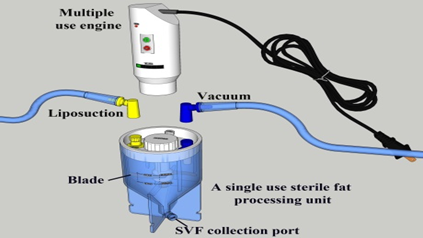
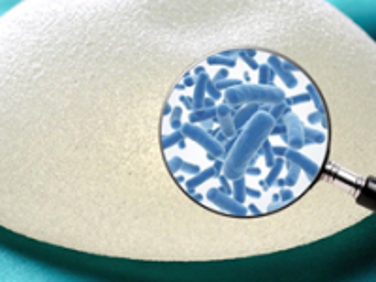
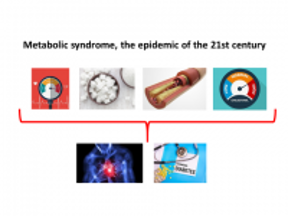
The mission of our laboratory is to bring scientists and clinicians to collaborate and develop new therapeutic strategies in the fields of wound healing, tissue repair and tissue regeneration with the main goal of successfully applying these into clinical practice. In the framework of our laboratory plastic surgeons, biologists and bioengineers work together in various investigative fields: CORE FACILITIES & SHARED RESOURCES RESEARCH FOCUS • Implant-associated capsular contracture PROJECTS RESEARCH FOCUS RESEARCH FOCUS PROJECTS RESEARCH TEAM COLLABORATION LABS RESEARCH FOCUS PROJECTS RESEARCH CONTRIBUTORS RESEARCH COORDINATOR and function of a cryopreserved rat hind limb Effective cryopreservation of large tissues, limbs and organs has the potential to revolutionize medical reconstruction options following trauma and organ preservation and transplantation procedures. Existing methods for long-term organ and tissue preservation are characterized by significant tissue-size and time limitations. Our work in this field has aimed to develop a novel vitrification-based approach that will enable long-term survival and functional recovery of large tissues and limbs following cryopreservation and transplantation. We scored undeniable successes in our research: rats were able to walk using the cryopreserved limb and demonstrated nerve regeneration and the return of functional sensation. We continue to develop protocols for long-term preservation of large tissues, limbs, and organs for clinical use. of stromal vascular fraction (SVF) from adipose tissue Fresh adipose tissue derived regenerative cells, also called stromal vascular fraction (SVF) can be extracted from fat after liposuction. Currently, SVF is used in the treatment of various clinical conditions – e.g. osteoarthritis, Crohn’s disease related fistulas and more. The current standard for SVF extraction has several significant disadvantages: Our work in this field has led us to develop a novel non-enzymatic SVF extraction system that will provide the following benefits: by hyperbaric oxygen treatment in the rat sciatic nerve model Paralysis of the facial muscles causes loss of voluntary facial movements, loss of involuntary facial expression, and dysfunction of facial function. Currently, the gold standard surgical reconstructive procedure for facial paralysis (i.e facial reanimation) includes the use of a cross-face nerve graft. With this method, a nerve graft is transferred from the normal facial nerve to the paretic hemi-face. This allows normal facial nerve axons to sprout and innervate the paretic hemi-face. The major disadvantage of cross-face nerve grafting is that clinical results are inconsistent. The leading cause of failure is suspected to be poor traversing of motor axons from the contralateral facial nerve branches into, across, and out of the nerve graft. Hyperbaric oxygen treatment is used to provide optimal tissue oxygen tension in order to maintain the neural aerobic metabolism and viability of the tissue, reduce edema, enhance perfusion of the injured tissue, restore axonal transport, enable the necessary delivery of nutrients at the site of injury, accelerate healing, and promote neovascularization. The aim of our research is to provide a faster regeneration pace and better quality of the regeneration process in a nerve autograft by exposing it to hyperbaric oxygen treatment a therapeutic potency of adipose-derived mesenchymal stem cells (MSCs) Mesenchymal stem Cells (MSCs) are multipotent cells that are derived from various adult tissues. MSCs therapy represents one of the most innovative approaches in the field of tissue repair therapies. In vitro and in vivo studies proved the MSCs have the ability to secret the trophic factors that promote angiogenesis and remodel the extracellular matrix. Other mechanisms of action include high immunomodulation capacity of MSCs. Our previous studies demonstrated significant immunomodulatory capacity of ligand pre-treated MSCs compared to non-treated cells. The current study in the field focuses on improving regeneration capacity of human MSCs in different models. of antimicrobial preventative protocols in an in-vivo Methicillin resistant staph aureus breast implant infection model Infection is a troubling complication of implant-based breast reconstruction, especially when biofilm formation causes resistance to antibiotic treatment. Staphylococcus is the most common pathogen in such cases, with rapidly increasing Methicillin resistant staph aureus (MRSA) rates. The aim of this research is to examine different pocket irrigation protocols and regimens of antibiotic prophylaxis on MRSA biofilm formation in silicone breast implants using a novel rat model. in non-immune stromal adipose tissue cells and its role in obesity-associated inflammation and insulin resistance development Metabolic syndrome, which is considered to be induced by visceral obesity, raises the risk of cardiovascular disease and type 2 diabetes (T2D). Adipose tissue inflammation during obesity is suggested to play a central role in T2D initiation and its complications. The NLRP3 protein is part of the inflammasome complex, which is responsible for IL-1β protein activation. NLRP3-inflammasome activation in adipose tissue macrophages (ATMs) during obesity was previously demonstrated to play a major role in obesity-induced inflammation and insulin resistance (IR). However, the contribution of inflammasome activation in the non-immune cell fraction of adipose tissue (NICF-AT) in obesity-induced inflammation and IR remains unknown. The aim of the study is to research the role NICF-AT inflammasome activation in the development of obesity induced fat inflammation and IR. Highlight Publications
Capsule, adipose, skin, blood
In vitro and in vivo experimental models
Databases, imaging, PROMs, AI
Mechanistic and translational endpoints
Innovation & collaboration
Clinical-tech and industry interfacesTeam

Prof. Yoav Barnea, MD

Inna Solodeev, PhD

Orel Govrin, MD

Ehud Fliss, MD
RESEARCH UNITS
• Radiation-induced fibrosis
• Fibroblast biology and fibrotic mechanisms
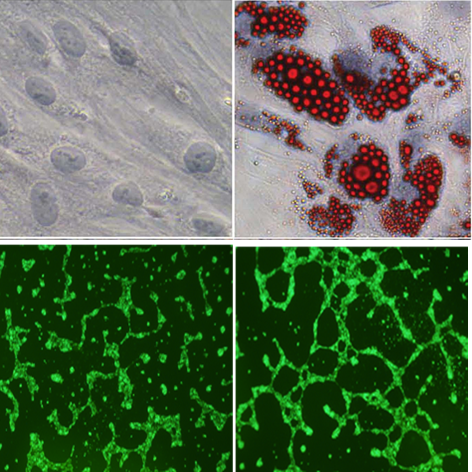
• Mesenchymal stromal cells and extracellular vesicles
• Angiogenesis and tissue vascularization
• Nipple-areolar complex preservation
• MSC-derived extracellular vesicles for prevention of capsular contracture after radiotherapy
• Fibroblast phenotypes in Baker grade IV contracture
• Angiogenesis in breast implant capsular contracture
• Isolation and characterization of capsule-derived cells
• Cryopreservation and delayed grafting of the nipple-areolar complex
• HBOT for radiation-induced capsular contracture
• Pericapsular adipose tissue secretome
RESEARCH TEAM
• Almog Uziel Levin, PhD
Medical Student
• Kylie Geffen, BSc
• Rafael Brzezinski, PhD, MD
• Daniel Levinson, BSc
Medical Student
• Bar Kamchin, BSc
Medical Student
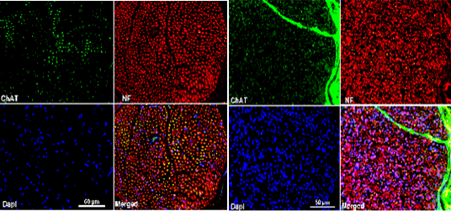
• Peripheral and facial nerve regeneration
• Experimental nerve repair
• Cell-based regenerative therapies
• Schwann cell and axonal regeneration
• Neuromuscular recovery and muscle remodeling
PROJECTS
• Novel technologies for enhancing nerve regeneration and functional recovery
• Mesenchymal stromal cells in peripheral nerve injury models
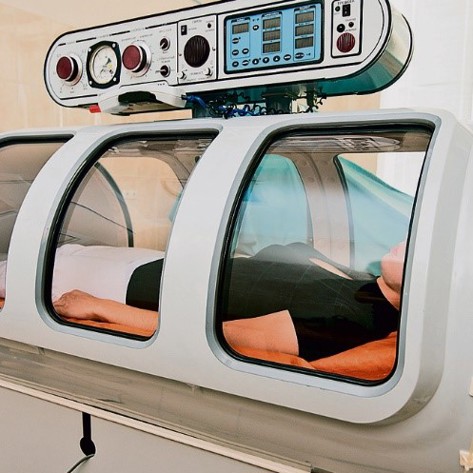
• Hyperbaric oxygen in nerve regeneration models
• Muscle histopathology in facial synkinesis
RESEARCH TEAM
• Mor Hershkovitz
Medical Student
• Dana Idelson, MD
• Lilach Margalit Grigg, PhD, MD
• Computer vision and 3D analysis of surgical photography and imaging
• Objective assessment of aesthetic, functional and histological outcomes
• Predictive modeling from clinical, operative and imaging data
• Digital phenotyping and wearable-based remote postoperative monitoring
• GPT/LLM tools for surgical assessment, planning and research workflows
• AI-ready clinical databases, image datasets and outcome registries
• Wearable-based monitoring of breast cancer patients during reconstruction and oncologic treatment
• AI-assisted implant selection after mastectomy using clinical, imaging and operative data
• Computer vision and LLM-based assessment of breast surgery outcomes — symmetry and aesthetic evaluation after reconstruction and reduction mammaplasty
• Predictive modeling of postoperative outcomes and complications from departmental clinical databases
• Deep-learning image analysis for preclinical and histological studies, including NF-200-positive axon detection
• Shira Naveh, MD
• Yahav Ochion
Medical Student
• Shachar Klimker
Medical Student
o Digital Epidemiology & Health Analytics Lab. Prof. Dan Yamin, Tel Aviv University
o Big Data Lab. Prof. Erez Shmueli, Tel Aviv University
o AI for Precision Health (Glicksberg Lab). Prof. Benjamin Glicksberg, Icahn School of Medicine at Mount Sinai
Clinical, prospective and retrospective investigations, focusing on:
• Alloplastic and autologous breast reconstruction
• Microsurgery and perforator-flap reconstruction
• Facial reanimation surgery
• Gender-affirming surgery
• Post-bariatric body contouring surgery
• Pediatric and craniofacial surgery
• Burns reconstruction and scars
• Chest wall reconstruction surgery
• Patient-reported outcomes studies
• Evaluation of new surgical techniques and technologies
• Prospective clinical trials in direct-to-implant pre-pectoral immediate breast reconstruction
• Retrospective outcomes analysis in immediate breast reconstruction
• BREAST-Q outcomes and 3D volume changes after reduction mammaplasty
• Patient-reported outcomes in gender-affirming surgery
• Free-flap monitoring, cost-effectiveness and new visualization technologies
• Perforator flap-based chest wall and sternal reconstruction
• Hyperbaric oxygen therapy and outcomes of facial reanimation
• Outcomes in craniosynostosis, lipomyelomeningocele, and cleft lip/palate
• Effects of tranexamic acid in post-bariatric body contouring surgery
• Ongoing departmental clinical and patient-reported outcomes database CLINICAL
Specialists and residents from the Department of Plastic and Reconstructive Surgery
Tal Melnikov Research
HEAD OF THE DEPARTMENT