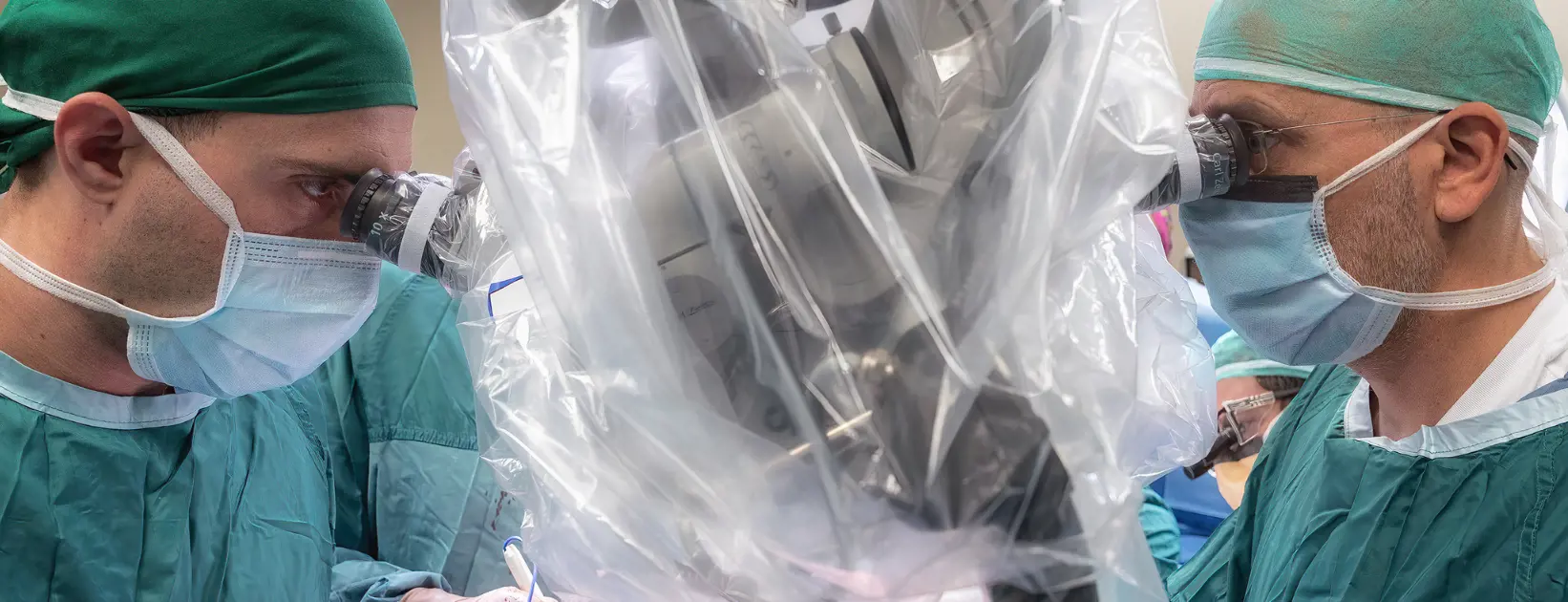
The Division of Plastic & Reconstructive Surgery at the Tel Aviv Sourasky Medical Center is renowned as a center of excellence and referral center throughout Israel and internationally.
Team
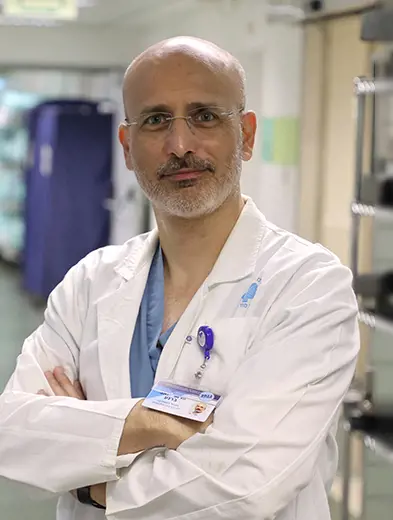
The Plastic, Reconstructive and Aesthetic Surgery Division at Tel Aviv Sourasky Medical Center (Ichilov) provides comprehensive care for a wide range of reconstructive and aesthetic conditions. The Division includes an inpatient department, specialized units, and outpatient clinics, offering advanced treatments in reconstructive plastic surgery, microsurgery, pediatric plastic surgery, post-weight-loss body contouring, Mohs surgery, and other procedures.
Medical Excellence and Multidisciplinary Care
The Division combines advanced surgical techniques and innovative technologies with a commitment to clinical excellence, compassionate care, and patient safety. Particular emphasis is placed on preserving and restoring body function while achieving optimal aesthetic outcomes and improving patients' quality of life.
A multidisciplinary approach is central to the Division's work. General, specialized, and multidisciplinary outpatient clinics provide comprehensive evaluation, treatment, rehabilitation, follow-up, and ongoing support. Specialists from various medical disciplines collaborate to develop individualized treatment plans, particularly for patients with complex conditions.
International Leadership
The Division's surgeons are actively involved in advancing reconstructive and aesthetic surgery. They participate in international conferences, share their expertise and innovative surgical techniques, and collaborate with leading medical institutions worldwide.
The Division is committed to developing highly qualified professionals with expertise in specialized areas of plastic surgery, while promoting excellence in clinical care, education, and research.
Education and Professional Training
Affiliated with the Sackler Faculty of Medicine at Tel Aviv University, the Division participates in clinical education, professional training, and academic research.
Training programs, seminars, and professional conferences are offered to plastic surgery residents, fellows, medical students, practicing surgeons, and other healthcare professionals.
Patient Care and Community Outreach
The Division emphasizes personalized care and ongoing support for patients and their families throughout diagnosis, treatment, and recovery.
Educational programs and patient resources provide information about reconstructive and aesthetic procedures, helping patients make informed decisions and participate actively in their care.
Research and Innovation
The Division conducts clinical and basic science research in plastic, reconstructive, and aesthetic surgery, in collaboration with research centers and medical institutions in Israel and internationally.
Research activities focus on developing advanced surgical techniques, improving treatment outcomes, and introducing innovative approaches to reconstructive and aesthetic care.
Day Surgery
Many plastic surgery procedures are performed on an outpatient basis at the Day Surgery Clinic, allowing patients to return home on the same day.
The clinic provides access to advanced surgical equipment and multidisciplinary consultations, including pathology, radiology, and other specialties, as needed.
Outpatient procedures include the removal of moles, cysts, lipomas, scars, and malignant skin lesions such as basal cell carcinoma, squamous cell carcinoma, and melanoma.
The clinic also performs Mohs micrographic surgery, a specialized technique for the precise removal of certain skin cancers while preserving as much healthy tissue as possible.
Most outpatient procedures are performed under local anesthesia.
Specialized Units and Services
The Breast Plastic and Reconstructive Surgery Unit specializes in breast reconstruction following mastectomy, oncoplastic surgery, correction of congenital and acquired breast deformities, and procedures to improve breast symmetry and appearance. The primary goal is to restore breast shape and improve patients' quality of life.
Breast reconstruction is part of the evolving field of oncoplastic surgery, which combines plastic and reconstructive techniques with breast cancer treatment. Reconstruction is performed by a plastic surgeon following partial or complete mastectomy, most commonly due to breast cancer.
Patients considering breast reconstruction are encouraged to consult a plastic surgeon before undergoing mastectomy to discuss the available options. Reconstruction may be performed immediately during the mastectomy or at a later stage.
Facial nerve reconstruction aims to restore facial movement and function in patients with facial paralysis, improving their ability to communicate, express emotions, and participate in everyday social interactions.
Facial paralysis can significantly affect a person's social, emotional, and psychological well-being. Reconstructive procedures seek to restore facial expression, improve symmetry, and enhance quality of life.
Treatment requires a highly individualized approach. The evaluation includes a detailed assessment of facial muscle weakness or spasticity, the duration of paralysis, muscle viability, the condition of the facial nerve and other cranial nerves, and any previous surgical interventions. The patient's overall health, expectations, and rehabilitation goals are also considered when developing a treatment plan.
The Body Contouring Surgery Center specializes in reconstructive plastic surgery following significant weight loss.
The service treats patients with excess skin and tissue folds, large residual fat deposits, breast volume loss and sagging in women and men, and loose skin or folds affecting the face and neck.
Treatment is based on a comprehensive, individualized approach that considers each patient's physical, medical, and psychological needs.
Unlike conventional aesthetic plastic surgery, post-weight-loss body contouring is primarily reconstructive, aiming to reduce physical limitations, improve daily functioning, and help patients return to an active lifestyle.
The service operates as part of the Plastic Surgery Department and collaborates with the Medical Center's chronic obesity treatment program.
The Breast Reduction Clinic provides consultation and assessment for patients experiencing functional or medical problems associated with excessively large breasts.
Breast hypertrophy may cause significant back and neck pain, postural problems, shoulder indentations from bra straps, skin irritation and fungal infections beneath the breasts, and psychological or social difficulties. It may also interfere with clothing choices, physical activity, and everyday functioning.
When medically indicated, breast reduction surgery may be recommended. The procedure involves reducing breast volume and lifting the breasts to improve comfort, function, and appearance.
Patients who are suitable candidates for surgery receive a referral for the procedure, which is performed during hospitalization.
The Burns Unit operates within the Plastic Surgery Division at Tel Aviv Sourasky Medical Center, combining expertise in skin and soft tissue injuries, reconstructive surgery, and scar management.
The Unit provides comprehensive, individualized care throughout all stages of burn treatment, from the initial injury through healing, rehabilitation, and long-term recovery.
Services include:
-
Acute treatment of burns and initial skin injuries.
-
Advanced wound dressings tailored to the type and severity of the burn.
-
Monitoring of wound healing and skin recovery.
-
Treatment of scars and post-burn skin changes.
-
Advanced laser treatments for scar management.
-
Follow-up care at the Burns Clinic after discharge.
-
Reconstructive surgical procedures when indicated.
The Unit's approach emphasizes continuity of care, with the goal of achieving optimal functional and aesthetic outcomes and helping patients return to their daily activities.
Microsurgery is an advanced reconstructive surgical technique that enables the transfer of tissue, including skin, muscle, and bone, from one part of the body to another to reconstruct damaged areas or preserve threatened organs and limbs.
The transferred tissue, known as a free flap, is harvested together with its supplying blood vessels. After transfer to the recipient site, blood circulation is restored through microsurgical connections between small blood vessels.
Because these vessels may measure less than one millimeter in diameter, microsurgery requires specialized equipment, including high-magnification surgical microscopes, magnifying loupes, delicate instruments, and extremely fine sutures. Surgeons performing these procedures undergo extensive specialized training.
Microsurgical reconstruction is particularly valuable when nearby tissues cannot provide adequate reconstruction or when a free flap offers superior functional or aesthetic results.
Applications include reconstruction following cancer surgery, traumatic injuries, congenital abnormalities, chronic bone infections, burn scars, and other complex conditions.
Most microsurgical procedures are performed in collaboration with other departments at the Medical Center, including ENT and Head and Neck Surgery, Ophthalmology, Orthopedics, Orthopedic Oncology, and Imaging.
These procedures include complex head and neck reconstruction following tumor removal or injury, eyelid reconstruction, and limb-sparing surgery following trauma or tumor resection.
Using advanced techniques such as free tissue transfer, surgeons can reconstruct bone and soft tissue defects, preserve function, and improve aesthetic outcomes. Treatment is planned through multidisciplinary collaboration, supported by advanced diagnostic imaging.
The Plastic Surgery Outpatient Clinics provide consultation, assessment, treatment, and follow-up care for patients who do not require hospitalization.
Patients are referred by health maintenance organizations (HMOs), the Israel Defense Forces, other hospitals, or the Medical Center's Emergency Department. The clinics also provide postoperative follow-up for patients discharged from the Plastic Surgery Department.
Patients considering surgery undergo an initial consultation and medical assessment. When surgery is recommended, it is scheduled as a day surgery procedure or during inpatient hospitalization. Surgical procedures are not performed in the outpatient clinics themselves.
Complex cases requiring broader consultation are discussed by the Department's multidisciplinary team.
Routine Clinical Services
-
Treatment of burns and wounds.
-
Removal of sutures following surgery or emergency treatment.
-
Saline injections for tissue expanders used in breast reconstruction or following the removal of large moles or scars.
-
Regular skin surveillance for patients with a history of skin cancer.
-
Postoperative monitoring and follow-up.
The Department operates several specialized clinics, some of which provide multidisciplinary consultations and treatment:
-
Chest Wall Reconstruction Clinic.
-
Microsurgery Clinic.
-
Head and Neck Reconstruction Clinic.
-
Pediatric Plastic Surgery Clinic.
-
Breast Clinic.
-
Breast Reduction and Asymmetry Clinic.
-
Plastic Surgery Oncology Clinic.
-
Combined Pediatric Plastic Surgery and Orthopedic Clinic.
The Gender-Affirming Surgery Clinic offers a comprehensive range of surgical procedures, including facial surgery, top surgery, and bottom surgery.
The service operates as part of the multidisciplinary gender-affirming care program at Tel Aviv Sourasky Medical Center, bringing together specialists in endocrinology, psychiatry, oral and maxillofacial surgery, ENT surgery, gynecology, social work, and other disciplines.
The clinic is located at the Ogen Center for LGBTQ+ Health and Well-Being in the Kerem HaTeimanim neighborhood of Tel Aviv.
The Ogen Center provides a safe, inclusive environment offering a broad range of medical and allied health services for LGBTQ+ individuals, including transgender and gender-diverse patients.
The Adolescent Breast Surgery Clinic specializes in breast reduction and correction of breast and chest asymmetry in adolescents.
Surgical treatment is offered to adolescents with significant developmental abnormalities affecting the chest or breasts, including severe asymmetry, absent or insufficient breast development, excessive breast enlargement that limits daily functioning, and gynecomastia in boys.
These conditions may cause both functional and psychological difficulties, affecting body image, social participation, physical activity, and emotional development.
When the condition significantly affects an adolescent's well-being or daily functioning, corrective surgery may be medically indicated.
The MOHS Surgery Service specializes in the surgical treatment of skin lesions and skin cancers.
The service performs procedures for the removal of moles, cysts, lipomas, scars, and malignant skin tumors, including basal cell carcinoma, squamous cell carcinoma, and melanoma. Most procedures are performed under local anesthesia.
The Plastic Surgery Department is one of the few centers in Israel specializing in Mohs micrographic surgery, a technique that enables precise removal of certain skin cancers while preserving healthy surrounding tissue.
The service uses specialized computer software developed in the Netherlands to support surgical documentation and monitoring.
Thanks to the availability of operating rooms at the Medical Center, waiting times for Mohs surgery are relatively short, averaging approximately one month.
The Limb Reconstruction Service operates within the Microsurgery Unit and specializes in advanced surgical procedures designed to preserve injured limbs and restore function.
The service treats patients with traumatic limb injuries, as well as those requiring reconstruction following the removal of bone or soft tissue tumors.
Procedures are performed in close collaboration with the National Orthopedic Oncology Unit and the Medical Center's orthopedic departments.
The Chest Wall Reconstruction Unit specializes in surgical reconstruction for patients with complex chest wall conditions.
The service primarily treats two groups of patients: those with surgical wound infections following cardiothoracic surgery and those with congenital chest wall deformities, such as pectus carinatum (protruding chest) and pectus excavatum (sunken chest).
The Unit provides surgical treatment and ongoing outpatient follow-up tailored to each patient's condition.