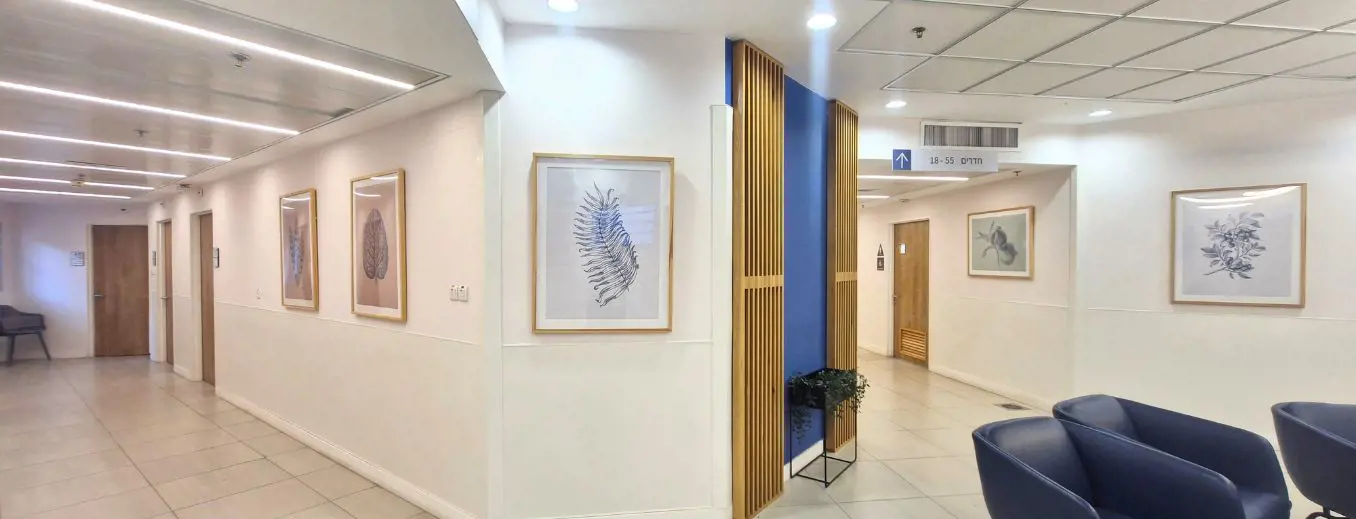
The Psychiatry Division of the Tel Aviv Sourasky Medical Center offers a variety of diagnostic services, as well as consulting and treatment for illnesses, disorders, and emotional and comorbid problems.
The treatments provided by the Psychiatry Division are based on a combination of medical, psychological, and social interventions, delivered by a multidisciplinary team. Medical treatments include medications and various neuromodulation techniques. Psychotherapeutic treatments include crisis intervention, psychodynamic therapy, cognitive behavioral therapy (CBT), supportive therapy, and more, provided in individual, couples, family, or group settings. In addition, the division offers a wide range of rehabilitation services.
The division includes an open inpatient department, day treatment departments, and an outpatient institute. It also conducts extensive and diverse research activities in its various laboratories and units.
Medical Units
Medical Center for the Treatment of Psychological Trauma and PTSD
The psychological trauma specialists at Tel Aviv Sourasky Medical Center (Ichilov) include psychiatrists, psychologists, clinical social workers, occupational therapists, nursing professionals, and others.
The services include individual medical consultations, individual and/or group psychotherapy (CBT and other treatments), rehabilitation support, innovative interventions (such as neurofeedback), and groundbreaking research.
Who Can Seek Treatment?
-
Military: Anyone who has been recognized as having a service-related injury or is undergoing the recognition process through the Rehabilitation Department of the Ministry of Defense.
-
Civilian: Anyone who feels psychologically affected by the events of October 7, whether directly exposed to them (evacuees from northern and southern Israel, survivors of the Nova festival attack, spouses or partners of reservists, and family members of combat soldiers), as well as anyone who feels that these events and the situation in Israel have negatively affected their mental health.
About the Treatments
Treatment for psychological trauma can significantly benefit those affected and help them return to their normal lives.
Treatment is individually tailored to each patient and focuses on therapeutic sessions with a specialist, whether through trauma-focused cognitive behavioral therapy (TF-CBT), integrative psychodynamic therapy, neurofeedback, or innovative technologies such as virtual reality (VR).
Medication may also be provided as needed, primarily to address associated symptoms such as anxiety, depression, and sleep difficulties.
How to Get Started
Complete the form, and we will contact you.
Telephone Hours: 09:00–13:00
Phone: 03-6974977, *5123
Email: assif@tlvmc.gov.il
Assif Training Programs
A training program designed to teach professionals in the fields of healthcare and therapy the language of trauma. The courses are led by specialists from the Psychiatry Division at Tel Aviv Sourasky Medical Center (Ichilov).
Treatments Offered at the Center
Trauma-Focused Cognitive Behavioral Therapy (TF-CBT)
Cognitive Behavioral Therapy (CBT) is the primary treatment approach for coping with trauma. Treatment is usually short-term and focuses on symptoms that interfere with the patient's daily life.
As its name suggests, the treatment focuses on two aspects: cognitive (thought-related) and behavioral.
The cognitive aspect aims to challenge inaccurate beliefs that often become deeply rooted following trauma (for example: "The world is a dangerous place," "I have no future," or "I will never be able to overcome this").
The behavioral aspect focuses on changing behaviors that may also become established following trauma (for example: avoiding leaving home, not meeting friends, or avoiding anything that might trigger memories of the traumatic experience).
Eye Movement Desensitization and Reprocessing (EMDR)
Similar to cognitive behavioral therapy, this treatment method focuses on post-traumatic symptoms, including negative thoughts that become deeply rooted and avoidance behaviors that develop following exposure to trauma.
Treatment follows a specific protocol involving bilateral brain stimulation during the therapeutic process. This stimulation is achieved through eye movements (similar to those occurring during dreaming), tapping on the knees, or stimulation delivered through an electronic device held in the hands.
Prolonged Exposure Therapy (PE)
A treatment method developed by Prof. Edna Foa, based on the principle that prolonged and gradual exposure to a source of distress progressively reduces the level of stress experienced.
Exposure takes place both in imagination and in real-life situations, gradually and in a manner that allows patients to reprocess the traumatic experience in a more adaptive way.
Integrative Psychodynamic Therapy
Integrative psychotherapy combines different therapeutic approaches, based on the understanding that a single approach may not always provide a complete response to a patient's needs.
The goal of integrative treatment is to equip patients with a broad range of tools that will help them cope with the difficulties they experience.
This treatment approach is usually longer-term and focuses not only on post-traumatic symptoms but also on other symptoms or behavioral patterns that may hinder the patient's recovery.
Neurofeedback Therapy
This treatment method is based on providing patients with feedback that helps them learn to better regulate their physiological and psychological responses when exposed to trauma-related triggers.
In biofeedback therapy, feedback is based on physiological measurements such as heart rate or body temperature. In neurofeedback therapy, the feedback is based on brainwave activity recorded using electroencephalography (EEG).
Virtual Reality (VR) Therapy
Virtual reality therapy uses innovative technology to conduct exposure exercises within the treatment room.
Similar to other trauma treatment approaches, this method involves gradual exposure to trauma-related triggers and the various avoidance behaviors that develop following traumatic experiences.
However, in this approach, exposure is carried out through interactive, game-like experiences in a safe and controlled environment, allowing patients who may be less comfortable with conventional treatment methods to participate in exposure therapy.
The Advanced Treatments Unit offers innovative treatment options for patients with mental health disorders that do not respond adequately to conventional medication.
The unit provides treatments based on advanced technologies for targeted stimulation of specific areas of the brain, aiming to improve psychiatric symptoms.
The unit includes three specialized clinics: an Electroconvulsive Therapy (ECT) Clinic, an Esketamine Treatment Clinic, and a Neuromodulation Clinic.
The unit is expected to expand in the future, incorporating additional technologies as part of our commitment to providing advanced, precise, and personalized care for every patient.
The Mental Health Institute at Tel Aviv Sourasky Medical Center (Ichilov) receives approximately 30,000 patient visits annually and provides care for a wide range of mental health conditions, from temporary difficulties caused by life crises, through depression and anxiety, which are highly prevalent in the general population, to severe and chronic mental illnesses. Treatment is individually tailored to each patient's needs, using a variety of therapeutic approaches and with the patient's full participation.
Located within a general hospital, the institute treats disorders that cannot be adequately addressed by community-based health fund clinics or psychiatrists, striving to provide care to those who need its services most.
We are committed to providing leading, compassionate medical care that places patients at the center. A partial list of conditions treated at the institute includes treatment-resistant anxiety and depressive disorders, post-traumatic stress disorder (PTSD), psychiatric disorders in patients with significant physical illnesses, neuropsychiatric disorders, postpartum depression, difficulties in mother-infant bonding, obsessive-compulsive disorder (OCD), bipolar disorder (manic depression), schizophrenia, personality disorders, and more.
Medical Units:
Assif Center
Assif, the Medical Center for the Treatment of Psychological Trauma and PTSD.
Advanced Treatments Unit – Mental Health
The unit provides treatments based on advanced technologies for targeted stimulation of specific areas of the brain.
Older Adults Mental Health Clinic
The Older Adults Mental Health Clinic provides psychiatric and psychological care for individuals over the age of 67, aiming to ensure quality of life, enjoyment, and fulfillment during this significant stage of life.
The clinic is equipped to treat a variety of conditions, including depression, anxiety, adjustment difficulties resulting from physical aging and chronic illnesses, loss of a spouse, partner, or friends, living without a regular work routine, and more.
The clinic is not intended for patients with dementia.
Anxiety and Mood Disorders Clinic
Treatment at the clinic is based on up-to-date therapeutic approaches that have been proven particularly effective in treating and preventing a range of disorders, including panic disorder, social anxiety disorder, generalized anxiety disorder (GAD), obsessive-compulsive disorder (OCD), specific phobias, health anxiety, and more.
Couples and Family Therapy Clinic
The clinic provides couples and family therapy aimed at improving relationships, enhancing family functioning, and, when necessary, providing support during the process of ending a relationship.
Lotem – Center for the Treatment of Sexual Trauma
The Lotem Center specializes in providing psychological treatment to women and men who experienced sexual abuse during childhood or adolescence and continue to suffer from its consequences.
The center's therapists have undergone specialized training and have extensive experience in treating survivors of sexual trauma.
Peima Center
Peima Center, the Women's Mental Health Service at Tel Aviv Sourasky Medical Center, provides professional assessment and treatment of mental health conditions associated with different stages of women's lives, including the reproductive years, the postpartum period, menopause, and more.
Services include:
Women's Reproductive Mental Health Clinic
A diagnostic and therapeutic clinic for women experiencing psychological distress during significant life stages related to the reproductive cycle.
Parent-Infant Clinic
The Parent-Infant Clinic provides consultation and treatment for mothers, fathers, and infants during the first 24 months of life, addressing challenges and difficulties related to parenting and/or infant care.
Postpartum Women's Day Treatment
A therapeutic day treatment program for women up to six months after childbirth who are experiencing significant psychological difficulties and require treatment in a structured daytime setting.
Peima – Mother-Infant Inpatient Unit
The program is designed for postpartum women experiencing severe mental health conditions that require hospitalization, for whom maintaining close contact with their infant is an important part of the recovery process.
Neuropsychiatry Clinic
The Neuropsychiatry Clinic focuses on treating medical conditions that combine neurological disorders with psychiatric manifestations, as well as neurological or physical symptoms without a clear medical explanation.
Derech / Yachad Clinics
Derech Clinic
Derech is a psychiatric clinic for survivors of the Sinai torture camps, a population of asylum seekers recognized by the Ministry of Justice as torture survivors. These individuals were abducted and tortured for ransom while fleeing life-threatening circumstances.
Yachad Clinic
Yachad is a psychiatric clinic for African asylum seekers from Sudan and Eritrea, as well as survivors of human trafficking who were rescued from situations involving abduction for sexual exploitation and forced labor.
Etgar Clinic – Multidisciplinary Clinic
The Etgar Clinic is a multidisciplinary psychiatric clinic for patients experiencing mental health symptoms that developed following a physical illness or complex medical condition.
The clinic offers an integrative approach that includes psychiatric assessment, medication when necessary, psychotherapy, and personalized multidisciplinary support.
Rehabilitation Groups – Eitan Groups | Dekel Social Club
Eitan Rehabilitation Unit
The Eitan Unit is an outpatient therapeutic and rehabilitation program that operates twice a week during daytime hours (10:00–14:00) at the Mental Health Institute at Ichilov Hospital.
The unit provides care for individuals experiencing a crisis in their lives who require more intensive intervention within a structured, supportive, and rehabilitative setting to help them return to independent community living.
The unit serves as a bridge between the hospital and the community, supporting stabilization following hospitalization and assisting patients in accessing social support services, including the Rehabilitation Basket (Sal Shikum), employment programs, and housing services.
Participation in the program is limited to a period of up to 12 months.
Dekel Social Club
Dekel Social Club is a community-based program open to individuals coping with mental health conditions.
The club meets twice a week in the afternoon and includes social activities, group therapy sessions, coffee breaks, and dinner.
Participation is available as part of the Rehabilitation Basket for individuals aged 18 and over who are coping with mental health conditions, with no time limit on participation.
The club is managed by professional staff and also includes social work students who assist in providing supportive care to participants experiencing distress and loneliness.
Experienced staff members are available to help identify early signs of deterioration in participants' clinical condition and assist them in obtaining appropriate care.
The Neuropsychiatric Day Treatment Department is part of the Psychiatry Division at Tel Aviv Sourasky Medical Center (Ichilov).
The department is headed by a physician with dual specialization in neurology and psychiatry, and its team is specifically focused on providing neuropsychiatric care. The multidisciplinary team includes nurses, physicians, social workers, psychologists, occupational therapists, movement therapists, and art therapists.
The department treats patients with a variety of neuropsychiatric disorders, including:
-
Disorders with physical manifestations without an identifiable cause: These include somatoform spectrum disorders in their various forms, such as tremors, paralysis, tics, sensory disturbances, and pain without an identifiable underlying cause.
-
Combined neurological and psychiatric conditions: Patients with a diagnosed neurological disorder who also experience psychiatric symptoms, such as anxiety associated with Parkinson's disease, depression in patients with epilepsy, mood disorders related to neurological brain diseases, and more.
The overall duration of treatment is up to three months.
Treatment combines medical and psychological approaches, with an emphasis on stabilization, improving functioning, and rehabilitation.
As part of the neuropsychiatric approach, particular attention is given to the interaction between physical symptoms and emotional and behavioral manifestations.
Psychodiagnostic and neuropsychological assessment tools are also used as part of the diagnostic process.
The Psychiatry Division at Tel Aviv Sourasky Medical Center (Ichilov) conducts extensive and diverse research activities in the Women's Mental Health Laboratory and across the division's various units, including the Inpatient Department, Neuropsychiatric Day Treatment Department, Adelson Clinic, Migvan Clinic, and Women's Mental Health Service.
Medical students, psychiatry residents, psychology trainees, and doctoral students from various disciplines conduct their research in these units.
The division, including all its units, is affiliated with the Faculty of Medicine at Tel Aviv University. Its research activities are carried out in close collaboration with universities in Israel and around the world.
The Neuropsychiatry Clinic focuses on treating medical conditions that combine neurological disorders with psychiatric manifestations, as well as cases involving neurological or physical symptoms without a clear medical explanation following appropriate examinations.
The clinic works in close collaboration with the Neurology Division at Tel Aviv Sourasky Medical Center (Ichilov), as well as with other medical specialties, including Oral Medicine, Consultative Internal Medicine, and Medical Psychology Clinics. Patients requiring more intensive care may also be referred to the Neuropsychiatric Day Treatment Department.
The treatment approach emphasizes integrative care, combining psychiatric treatment, therapeutic counseling, functional support, and collaboration with specialists in relevant fields. Treatment is individually tailored to each patient, aiming to improve daily functioning and provide effective tools for coping with medical and psychological challenges.
The clinic offers a unique treatment program for opioid addiction, including addiction to street drugs such as heroin and prescription painkillers. Treatment combines medical, psychological, and social approaches and is subsidized by the Ministry of Health. The clinic currently treats approximately 350 patients over the age of 18 who have undergone at least two unsuccessful attempts at withdrawal.
The clinic has an experienced multidisciplinary team specializing in the treatment of individuals affected by drug addiction and their families.
The permanent staff includes physicians, nurses, social workers, a clinical criminologist, a research unit, management, administrative staff, and security personnel.
The rotating team includes graduate students from the Graduate School of Medicine at Tel Aviv University and medical students conducting research projects as part of their final theses in the research unit, social work students completing their practical training, law students volunteering to provide free legal assistance, and other volunteers.
The Psychiatry Department operates as part of the hospital's Psychiatry Division. The department is an integral part of the general hospital, reflecting the understanding that mental and physical health are often closely interconnected. This enables comprehensive care for psychiatric conditions with physical manifestations and, conversely, physical illnesses with psychiatric implications.
The department provides care for individuals with a wide range of psychiatric disorders that cannot be adequately treated or stabilized in an outpatient setting, including depression, mood disorders, psychotic disorders, anxiety disorders, adjustment disorders, psychological trauma, and severe life crises. The department also provides diagnostic assessment of complex conditions and treatment for treatment-resistant disorders.
The purpose of hospitalization is to provide intensive intervention aimed at improving the patient's condition as quickly as possible, with an emphasis on restoring functioning. Hospital stays are short and focused, generally lasting no more than a few weeks. Treatment is provided by a multidisciplinary team and individually tailored to each patient's specific needs.
The department is a mixed-gender inpatient unit for men and women aged 18 and over who are not experiencing active suicidal ideation or posing an immediate risk to themselves or others, and who voluntarily consent to hospitalization.
The unit specializes in the diagnosis and treatment of mental health difficulties in children and adolescents up to the age of 18.
Comprehensive Mental Health Care
Treatment includes psychotherapy (through talk therapy, play therapy, or expressive and creative therapies), parental guidance, family-based interventions, and medication when necessary.
In addition, the unit provides consultation services to the hospital's inpatient departments and Emergency Department.
Conditions We Treat
-
Anxiety disorders
-
Mood disorders
-
Attention Deficit Hyperactivity Disorder (ADHD)
-
Behavioral difficulties
-
Difficulties interacting with peers or family members
-
Coping with crises and stressors
-
Gender diversity and issues related to gender and/or sexual identity
Additional Units
Hofim Center – Adolescent Day Treatment
The Hofim Center is an adolescent day treatment unit within the Psychiatry Division at Tel Aviv Sourasky Medical Center (Ichilov), operating in collaboration with the Tel Aviv-Yafo Municipality. It is the first center of its kind in the city.
Hofim provides a therapeutic environment within Ichilov's Psychiatry Division, offering five days a week of treatment, education, and a structured daily routine, while allowing adolescents to return home every evening. It serves as a genuine alternative to hospitalization.
The day treatment program provides intensive, long-term care while maintaining continuity in daily life and connections with home, family, and friends.
Treatment lasts between four months and one academic year and is focused from the outset on preparing for the next stage: returning to an appropriate community-based setting with renewed strength, supported by continued guidance and follow-up after completing the program.
Pediatric Neuropsychiatry Clinic
The Pediatric Neuropsychiatry Clinic at Dana-Dwek Children's Hospital is a specialized clinic that combines expertise in pediatric neurology and child and adolescent psychiatry. Its aim is to provide care for children with complex neurological conditions accompanied by emotional, behavioral, and cognitive manifestations.
The clinic was established to address complex cases in which neurological and psychiatric symptoms are closely intertwined.
Operating through collaboration between the Pediatric Neurology Institute and the Child and Adolescent Mental Health Unit, the clinic provides an integrated assessment of neurological, cognitive, emotional, and behavioral functioning.
The clinic serves children and adolescents with complex neurological diseases and conditions accompanied by symptoms or difficulties affecting emotional, behavioral, or cognitive functioning.