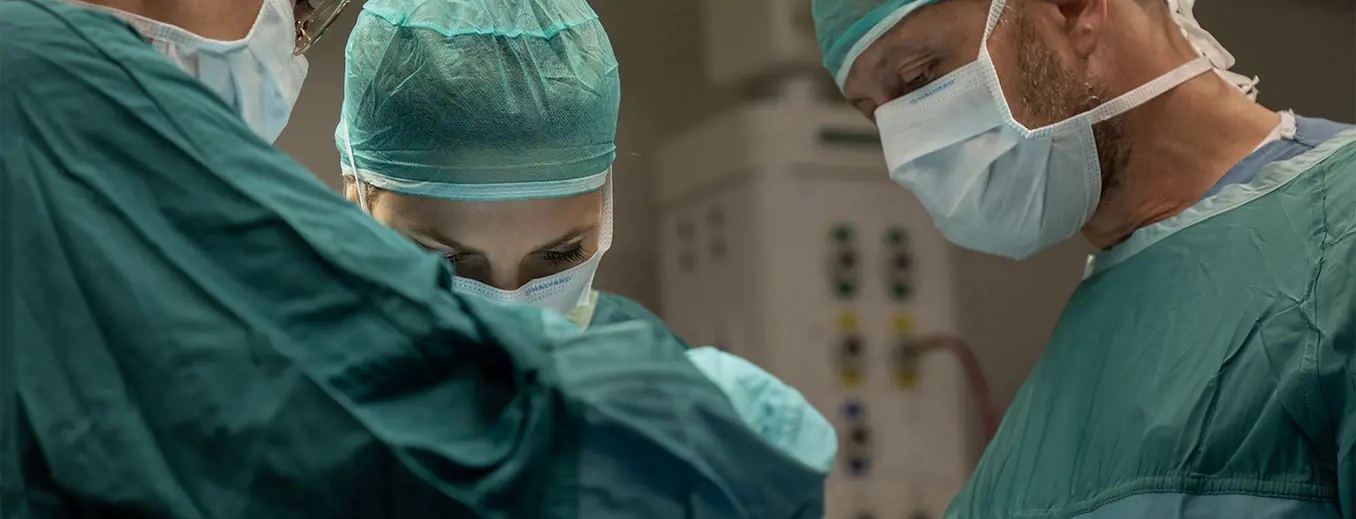
Tel-Aviv Sourasky Medical Center is a center of excellence for urology, offering both adult and pediatric patients a range of clinical services.
The Department of Urology at Tel Aviv Sourasky Medical Center (Ichilov) provides comprehensive general and specialized urological services to residents of Tel Aviv and patients from across Israel, through a range of specialized centers of excellence.
The department has 24 inpatient beds for adults, as well as a Pediatric Urology Unit located at Dana-Dwek Children's Hospital, part of Tel Aviv Sourasky Medical Center.
In addition to its inpatient facilities, the department operates several specialized outpatient clinics, including uro-oncology clinics for prostate, bladder, urinary tract, kidney, and testicular cancers; an endourology and kidney stone clinic; a sexual dysfunction clinic; and a general urology clinic.
Diseases and Conditions Treated
The department provides diagnosis and treatment for a wide range of urological conditions, including:
-
Prostate, bladder, urinary tract, kidney, adrenal, and testicular cancers
-
Kidney and urinary tract stones
-
Congenital and acquired urinary tract abnormalities
-
Benign prostatic hyperplasia (BPH)
-
Erectile dysfunction and other sexual dysfunctions
-
Urinary incontinence
-
Pediatric urological conditions
Surgical Procedures and Treatments
The Department of Urology performs a wide range of surgical procedures, using advanced technologies and minimally invasive techniques whenever appropriate.
These include:
-
Open and laparoscopic surgery for prostate, bladder, kidney, adrenal, and testicular cancers
-
Advanced robot-assisted minimally invasive surgery using the da Vinci Xi Surgical System
-
Minimally invasive procedures for kidney and urinary tract stones
-
Surgery to correct congenital and acquired urinary tract abnormalities
-
Surgical treatment of benign prostatic hyperplasia (BPH)
-
Surgical treatment of erectile dysfunction and urinary incontinence
The Pediatric Urology Unit also performs general pediatric urological procedures and specialized reconstructive surgeries to correct congenital abnormalities.
Advanced Robotic Surgery
The department offers advanced robot-assisted surgery using the da Vinci Xi Surgical System, enabling surgeons to perform complex procedures with enhanced precision and control.
The system provides a magnified, three-dimensional view of the surgical field and allows surgeons to perform delicate movements through small incisions.
Robotic surgery may offer several advantages, including reduced postoperative pain, less blood loss, shorter hospital stays, and faster recovery, depending on the procedure and the patient's condition.
Robotic procedures performed by the department include:
-
Radical prostatectomy for prostate cancer
-
Kidney surgery, including nephrectomy for kidney tumors
-
Surgical repair of ureteropelvic junction obstruction
-
Bladder surgery for cancer and other urological conditions
Advanced Diagnostic and Outpatient Services
The department provides extensive outpatient, diagnostic, and minimally invasive services using advanced medical technologies.
These include:
-
Cystoscopy: Endoscopic examination and treatment of bladder conditions using advanced imaging techniques.
-
Transrectal ultrasound (TRUS): Imaging for the diagnosis and evaluation of prostate conditions.
-
Doppler ultrasound: Assessment of vascular abnormalities associated with erectile dysfunction.
-
Urodynamic testing: Evaluation of bladder function and urinary disorders.
Prostate Brachytherapy
The department also offers prostate brachytherapy, a specialized treatment for prostate cancer involving the implantation of radioactive iodine seeds directly into the prostate.
More than 1,000 patients have undergone this treatment in Israel, with the procedure historically performed almost exclusively at Tel Aviv Sourasky Medical Center.
Brachytherapy is designed to deliver targeted radiation to the prostate while minimizing damage to surrounding healthy tissue and reducing the impact of treatment on the patient's quality of life.
The department has accumulated extensive clinical experience in this field, with internationally recognized expertise.
Research and Academic Activities
The Department of Urology is actively involved in clinical and basic science research and is a leading center for clinical studies in a variety of urological fields.
Key research areas include benign prostatic hyperplasia (BPH), prostate and bladder cancers, and erectile dysfunction.
The department also conducts basic science research in these fields in collaboration with researchers from leading Israeli academic institutions, including the Weizmann Institute of Science, the Hebrew University of Jerusalem, and Tel Aviv University.
These academic and research activities contribute to the advancement of urological knowledge, diagnostic techniques, and treatment approaches.
Clinics and Areas of Expertise
The Uro-Oncology Clinic specializes in the diagnosis, treatment, and follow-up of patients with urological cancers.
The clinic provides the following services:
-
Evaluation of patients with suspected urinary tract tumors based on clinical findings, laboratory tests, or imaging studies.
-
Outpatient surgical treatment of superficial bladder tumors.
-
Outpatient intravesical chemotherapy and immunotherapy for bladder cancer.
-
Cystoscopic surveillance and follow-up after treatment of tumors involving the urinary tract, kidneys, bladder, ureters, and testes.
-
Evaluation of patients with suspected prostate cancer based on clinical and/or laboratory findings.
-
Transrectal ultrasound (TRUS) examinations of the prostate, including Doppler ultrasound.
-
Ultrasound-guided prostate biopsies.
-
Follow-up of patients with prostate cancer at various stages of the disease, including patients under active surveillance and those who have undergone surgery, radiation therapy, or brachytherapy.
-
Administration of hormonal therapy and chemotherapy.
The Pediatric Urology Unit at Dana-Dwek Children's Hospital provides comprehensive diagnosis and treatment of congenital and acquired disorders of the urinary and genital systems in infants, children, and adolescents.
The unit specializes in the treatment of congenital urinary and genital abnormalities, offering advanced medical and surgical solutions, including robotic, laparoscopic, and endoscopic procedures. These minimally invasive techniques involve smaller incisions and may allow faster recovery.
The unit treats a wide range of pediatric urological conditions, including:
-
Urinary tract infections (UTIs): Infections commonly caused by bacteria entering the bladder through the urethra.
-
Hypospadias: A congenital abnormality in which the urethral opening is located on the underside of the penis, sometimes accompanied by penile curvature.
-
Meatal stenosis: Narrowing of the urethral opening, commonly seen in circumcised boys due to a local inflammatory reaction.
-
Hydrocele: A congenital or acquired condition characterized by fluid accumulation around the testicle.
-
Undescended testes (cryptorchidism): A condition in which one or both testicles fail to descend into the scrotum, most commonly affecting one testicle.
-
Varicocele: Enlargement of the veins within the spermatic cord due to impaired venous drainage.
-
Vesicoureteral reflux (VUR): The backward flow of urine from the bladder into the ureters and kidneys, caused by an abnormal connection between the ureter and bladder.
-
Urinary tract obstruction: Congenital or acquired blockages affecting different parts of the urinary tract, some of which may be detected during prenatal ultrasound examinations.
-
Urinary tract stones: A relatively uncommon condition in children, often associated with hereditary or metabolic disorders.
-
Bladder exstrophy: A congenital developmental abnormality of the lower abdominal wall, resulting in an exposed bladder and abnormalities of the pubic bones and urethra.
-
Epispadias: A congenital abnormality characterized by an opening of the urethra on the upper surface of the penis, often accompanied by penile curvature.
-
Differences of Sex Development (DSD): Congenital conditions involving variations in the development of sex characteristics, which may include atypical or ambiguous external genitalia.
The Functional Urology Unit specializes in the diagnosis and treatment of urinary and pelvic floor disorders in women and men.
The unit provides care for a wide range of conditions, including:
-
Urinary disorders and voiding dysfunction, including stress urinary incontinence.
-
Urge urinary incontinence associated with overactive bladder.
-
Urinary retention caused by bladder outlet obstruction or impaired bladder contraction.
-
Urinary dysfunction associated with neurological diseases.
-
Diagnosis and surgical repair of urethral injuries in men.
-
Diagnosis and treatment of pelvic organ prolapse and urethral disorders in women.
-
Recurrent urinary tract infections and bleeding.
-
Bladder pain syndrome (BPS).
The Endourology and Urinary Tract Stones Unit specializes in minimally invasive procedures for a wide range of urological conditions, including urinary tract stones, strictures, tumors, and prostate diseases.
The unit provides surgical treatment as well as diagnostic evaluation, detection, assessment, and follow-up.
Minimally invasive endourological techniques use the body's natural urinary pathways to access and treat affected areas, offering potential advantages in treatment outcomes, procedural risks, and recovery.
Endourology provides advanced treatment options for urinary tract stones. Technological developments in laser systems, fiber optics, and the miniaturization of surgical instruments have significantly expanded the range of conditions that can be treated using endourological techniques.
Operating within the Department of Urology, the unit is one of the centers of excellence at Tel Aviv Sourasky Medical Center and among the longest-established units of its kind in Israel.
The unit is committed to high-quality, multidisciplinary, personalized care tailored to each patient's individual needs.
With extensive experience encompassing more than 500 surgical procedures annually, and a team of experienced urologists and nephrologists, the unit offers a broad range of advanced surgical treatments and innovative techniques.
The Sexual Dysfunction Clinic specializes in the diagnosis and treatment of sexual dysfunction in men.
A dedicated Sexual Rehabilitation Clinic also operates alongside it, focusing on sexual dysfunction in patients with prostate cancer.
The clinic provides a range of diagnostic and treatment services, including:
-
Specialized diagnostic examinations, including nocturnal penile tumescence (NPT) testing using RigiScan, penile duplex Doppler ultrasound, and cavernosometry.
-
Assessment of physiological responses to visual sexual stimulation.
-
Treatment of male sexual dysfunction using injection therapy, specialized medical devices, medications, and psychosexual therapy.
-
Referral for surgical treatment within the Department of Urology, including penile prosthesis implantation and reconstructive vascular surgery.
The Minimally Invasive Urologic Surgery Clinic provides evaluation, consultation, and follow-up for patients requiring minimally invasive urological procedures.
The clinic's services include:
-
Preoperative evaluation of patients scheduled for minimally invasive surgery within the Department of Urology.
-
Consultation for patients with a variety of urological conditions regarding minimally invasive treatment options.
-
Evaluation of patients referred to the Department of Urology by community physicians.
-
Follow-up assessment of patients after hospitalization or an emergency department visit.
The Robotic Urologic Surgery Unit operates within the Department of Urology at Tel Aviv Sourasky Medical Center (Ichilov).
The unit performs advanced robot-assisted surgical procedures using the da Vinci Xi Surgical System, a sophisticated robotic platform designed to enhance surgical precision, visualization, and control.
Tel Aviv Sourasky Medical Center operates two da Vinci Xi robotic surgical systems, similar to those used at leading robotic surgery centers worldwide.
The medical center has established extensive experience in robotic urologic surgery in Israel.
In response to the growing demand for robot-assisted procedures in recent years, the medical center acquired a second fourth-generation da Vinci Xi system.
The availability of two robotic systems enables the department to expand its surgical capacity, maintain a high volume of robotic procedures, and provide advanced, high-quality surgical care to patients from across Israel.