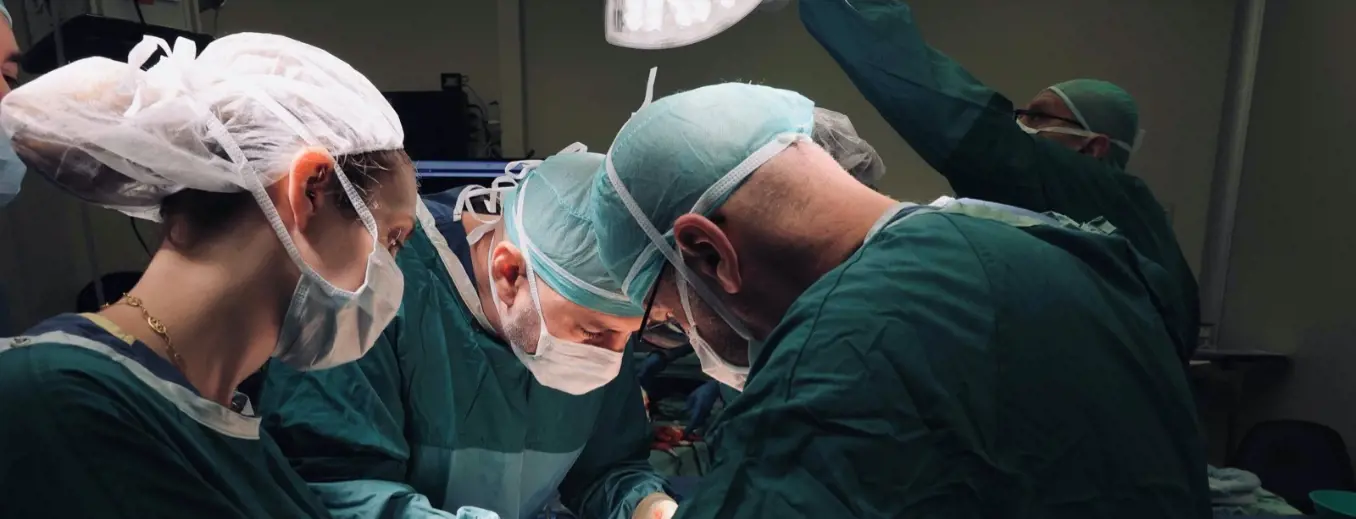
The General Surgery Division at Tel-Aviv Sourasky Medical Center treats a range of patients requiring surgical services—both emergent and planned. Departmental surgeons offer expertise in general surgery and specialized surgical procedures to local, national, and international patients.
Team
The General Surgery Division at Tel Aviv Sourasky Medical Center (Ichilov) provides comprehensive surgical care across a wide range of specialties. In addition to routine surgical procedures, the Division serves as a national referral center for highly complex surgeries, performing procedures comparable to those offered at leading international medical centers. These include pancreatic cancer surgery, retroperitoneal sarcoma surgery, treatment of peritoneal metastases, colorectal surgery, esophageal and gastric surgery, liver, kidney, and pancreas transplantation, liver and biliary surgery, breast cancer and melanoma surgery, and advanced laparoscopic and minimally invasive procedures. The Division also specializes in cytoreductive surgery combined with hyperthermic intraperitoneal chemotherapy (HIPEC), isolated limb perfusion (ILP), and bariatric surgery. These procedures are performed by highly experienced surgeons, many of whom have received advanced training at leading medical centers in the United States.
The Division includes three inpatient departments: General Surgery A, General Surgery B, and the Hepatopancreatobiliary (HPB) Surgery and Transplantation Department. It also operates a dedicated Surgical Intensive Care Unit and an inpatient Trauma Unit.
The General Surgery Division has a total of 161 inpatient beds and treats more than 10,000 hospitalized patients annually. Approximately 40% of admissions are emergencies, while 60% are planned admissions or referrals from other medical centers. Around 6,000 surgical procedures are performed each year, approximately 80% of which are classified as major or highly complex operations.
Postoperative care is provided through the Division's dedicated Surgical Intensive Care Unit, where patients receive specialized treatment from a multidisciplinary team of surgeons and intensive care specialists. This integrated approach combines advanced surgical expertise with comprehensive postoperative monitoring and recovery care, following standards comparable to those of leading surgical centers in Europe and the United States. Particular emphasis is placed on personalized care and support for patients and their families throughout the recovery process.
The Division is affiliated with the Sackler Faculty of Medicine at Tel Aviv University. Its physicians hold academic appointments and are actively involved in teaching medical students, training residents, and providing advanced education to surgeons and specialists in various fields of general surgery. The Division encompasses numerous specialized units, including Surgical Intensive Care, Surgical Oncology, Esophageal and Gastric Surgery, Hepatobiliary Surgery, Organ Transplantation, Advanced Laparoscopic Surgery, Colorectal Surgery, Breast and Melanoma Surgery, and Trauma Surgery.
In addition to its extensive clinical activities, the Division conducts intensive clinical, translational, and basic research in general surgery. Research focuses on cancer development and progression, tumor metastasis, angiogenesis and lymphangiogenesis, epithelial-to-mesenchymal transition (EMT), cancer diagnosis and treatment, emergency medicine, and inflammatory bowel diseases. The Division also participates in the development and evaluation of innovative surgical approaches and advanced treatment technologies.
General Surgery at Ichilov: 10 Key Strengths
- The Oldest and Largest General Surgery Division – A team of internationally renowned specialists, leaders in their fields, with extensive clinical experience and international training.
- World-Class Advanced Technology – State-of-the-art robotic systems, minimally invasive technologies, and the largest number of advanced operating rooms.
- Leadership in Robotic Surgery in Israel – Leading in surgical volume and the range of robotic procedures, including pancreatic, esophageal, and complex abdominal wall surgery.
- High Success Rates in Complex Surgery – Proven clinical outcomes and quality indicators, supported by advanced surgical infrastructure, including Israel's largest and most advanced integrated surgical unit. Approximately 80% of patients undergoing complex procedures come from across Israel.
- Short Surgical Waiting Times and 24/7 Support – High availability for urgent procedures and comprehensive medical support around the clock.
- A Unique Multidisciplinary Care Model – Collaboration among specialists in imaging, oncology, plastic surgery, and gastroenterology to provide personalized treatment.
- Innovation and Groundbreaking Research – Development of innovative surgical protocols, participation in advanced clinical trials, and collaboration in developing new medical technologies and devices.
- Dedicated Patient Support Throughout the Surgical Journey – Personalized guidance and care before, during, and after surgery.
- International Collaborations – Partnerships with leading medical centers worldwide and continuous integration of advances in surgical practice.
- Israel's Only Dedicated Surgical Intensive Care Unit.
Associated medical units
The Transplantation and Hepato-Pancreato-Biliary (HPB) Surgery Division at Tel Aviv Sourasky Medical Center (Ichilov) specializes in liver, kidney, and pancreas transplantation, including combined organ transplants, as well as complex liver, pancreatic, and biliary tract surgery.
The Division provides comprehensive, multidisciplinary care throughout every stage of treatment, from initial evaluation and diagnosis to surgical intervention, postoperative recovery, and long-term follow-up. Its services include liver transplantation from deceased and living donors, kidney and pancreas transplantation, and advanced surgical procedures involving the liver, pancreas, and biliary tract.
The Division specializes in the diagnosis and surgical treatment of a wide range of conditions, including primary liver tumors, biliary tract tumors, gastrointestinal malignancies such as pancreatic tumors and liver metastases, neuroendocrine tumors, and echinococcal cysts. Treatment may involve surgery, other invasive procedures, or a combination of approaches, depending on each patient's condition.
The Division's multidisciplinary approach combines advanced surgical expertise with close collaboration among specialists from various medical fields, enabling personalized treatment plans tailored to each patient's needs.
Organ transplantation is viewed as one component of a comprehensive treatment process. Particular emphasis is placed on addressing patients' physical and emotional needs, providing continuous support throughout their medical journey, and improving their long-term health and quality of life following transplantation.
General Surgery Department A provides inpatient care for patients before and after a wide range of general surgical procedures, as well as patients undergoing diagnosis, evaluation, and follow-up.
The department has 38 inpatient beds, while the General Surgery A Trauma Unit has an additional 31 beds.
The multidisciplinary team includes physicians, nurses, a social worker, a psychologist, a physiotherapist, and administrative staff. The team works to minimize hospital stays whenever possible and support a safe and rapid recovery.
General Surgery Department B has 45 inpatient beds, along with 11 beds in the Surgical Intensive Care Unit and 15 beds in the Surgical High-Dependency Unit.
The multidisciplinary team includes physicians, nurses, a social worker, a psychologist, a physiotherapist, and administrative staff. The team is dedicated to minimizing hospital stays whenever possible and supporting patients throughout their recovery.
Patients Treated in the Department
General Surgery Department B provides inpatient care for patients before and after various general surgical procedures, as well as patients undergoing diagnosis, evaluation, and follow-up.
The department specializes in:
-
Melanoma surgery
-
Bariatric surgery (obesity surgery)
-
Adrenal surgery
-
Breast surgery
-
Esophageal and gastric surgery
-
Hiatal hernia repair
-
Anti-reflux surgery
A hernia occurs when tissue or an organ from the abdominal cavity protrudes through a weakened area or opening in the abdominal wall. This weakness may be congenital or acquired. Hernias most commonly develop in the groin, around the navel, or at the site of a previous abdominal incision. Common symptoms include localized swelling, discomfort, and pain that worsens with physical exertion, coughing, or heavy lifting.
Hernias do not resolve on their own, and surgery is the only definitive treatment. However, not every hernia requires immediate surgical intervention. The decision between monitoring and surgery depends on the patient's condition, symptoms, and an assessment of the potential risks and benefits. Severe, persistent pain, localized redness and tenderness, and sometimes nausea or vomiting may indicate an incarcerated or strangulated hernia, requiring urgent surgical evaluation.
Most hernia repair procedures are performed electively, with a hospital stay typically lasting up to 24 hours. Patients undergoing complex procedures or those with underlying medical conditions may require longer hospitalization.
Before surgery, patients undergo a comprehensive assessment at the Hernia Clinic, including a review of their overall health, underlying conditions, medications, and previous surgical history. When necessary, preoperative preparation may include improved diabetes control, weight loss, and smoking cessation to reduce complications and improve surgical outcomes. The most appropriate surgical approach is determined jointly by the patient and surgeon.
The clinic provides diagnosis and treatment for all types of hernias, including inguinal, umbilical, midline abdominal wall, incisional, and parastomal hernias.
Following a thorough evaluation, the surgical team selects the most appropriate repair technique for each patient. Options include laparoscopic surgery, robotic surgery, and open abdominal wall reconstruction using advanced techniques such as component separation, particularly for complex hernias.
The Breast Health Center at Tel Aviv Sourasky Medical Center (Ichilov) provides comprehensive, personalized multidisciplinary care, bringing together specialists in breast surgery, oncology, radiology, and plastic surgery. Treatment decisions are made collaboratively by an experienced team, taking into account each patient's medical condition, personal preferences, and quality of life.
The Center offers a wide range of advanced diagnostic and treatment options, including state-of-the-art imaging, innovative intraoperative technologies, minimally invasive treatments for benign and malignant breast tumors, and advanced drug therapies. When appropriate, plastic surgeons participate in surgical procedures to provide breast reconstruction or reshaping using implants, the patient's own tissue, or oncoplastic techniques, with careful consideration of aesthetic outcomes and patient preferences.
Care at the Center follows a holistic approach that addresses not only medical needs but also emotional well-being, body image, and quality of life. Throughout the treatment process, each patient is supported by a dedicated breast surgeon, a specialized nurse, and a social worker who provide guidance and assistance as needed.
One of the Center's key advantages is continuity of care, allowing patients to undergo diagnosis, further evaluation, surgery, reconstruction, and oncological treatment under one roof. Close coordination among the various medical teams enables efficient transitions between treatment stages, reduces waiting times, and ensures continuity of care.
Services Provided at the Center
Breast Examination
The Breast Surgery Unit provides clinical breast examinations and personalized recommendations for appropriate screening and follow-up. The team ensures timely access to medical consultation and treatment whenever abnormal findings require further evaluation or intervention.
Breast Imaging and Diagnostic Procedures
Mammography: A low-dose X-ray examination of the breast used to identify suspicious masses and other abnormalities.
Breast Ultrasound: An imaging examination used to assess differences in breast tissue density and distinguish between solid masses and fluid-filled cysts. Breast ultrasound is often performed as a complementary examination to mammography.
Breast Biopsy: A diagnostic procedure in which a tissue sample is taken from a suspicious breast lesion to determine whether it is malignant. The biopsy is performed under ultrasound guidance using local anesthesia. The tissue sample is sent to the hospital's pathology laboratory, with results generally available within approximately one week. The Breast Health Center is also equipped with advanced mammography-guided biopsy technology.
Oncology Consultation
Oncology consultations are provided through the Breast Cancer Unit. Based on biopsy findings and other diagnostic results, a personalized treatment plan is developed in collaboration with breast oncology specialists.
Treatment may include chemotherapy, hormonal therapy, biological therapy, radiation therapy, or a combination of these approaches.
Surgical Treatment
The Center's surgical team includes highly experienced breast surgeons who participate in multidisciplinary discussions to determine the most appropriate treatment for each patient.
The Center performs oncoplastic breast surgery, combining cancer removal with aesthetic breast surgery techniques to achieve optimal cosmetic outcomes following tumor excision.
For patients undergoing mastectomy, immediate breast reconstruction is available using a full range of modern reconstructive techniques, including advanced microsurgical procedures and reconstruction using implants or the patient's own tissue.
The Melanoma Surgery Unit at Tel Aviv Sourasky Medical Center (Ichilov) provides surgical treatment for patients diagnosed with melanoma, a form of skin cancer. Patients may be referred following diagnosis at Ichilov's Dermatology Clinic or by healthcare providers in the community.
Preparation for melanoma surgery begins with a series of preliminary examinations designed to assess the extent of the disease and determine the most appropriate treatment. The evaluation includes imaging studies based on the characteristics of the primary tumor, along with routine preoperative tests such as blood tests, an electrocardiogram (ECG), and a chest X-ray. A dedicated nurse coordinator assists patients in scheduling the necessary examinations and completing the diagnostic process.
Once the evaluation is complete, patients attend a multidisciplinary melanoma clinic, where they are assessed by a surgeon, an oncologist, and a plastic surgeon. In cases involving melanoma of the head and neck, an otolaryngologist (ENT specialist) also participates. The team reviews the examination findings and develops an individualized treatment plan, which may include surgery and, in selected cases, preoperative drug therapy.
When a sentinel lymph node biopsy is required, lymphoscintigraphy (radioisotope mapping) is performed the day before surgery to identify the sentinel lymph node. Most melanoma operations are performed under general anesthesia as part of a day-surgery admission, without the need for hospitalization beforehand.
Following surgery, most patients remain in the hospital for observation, typically including one overnight stay. Before discharge, the surgeon examines the patient and confirms that their condition allows for a safe return home.
The Bariatric Surgery Center at Tel Aviv Sourasky Medical Center (Ichilov) offers a range of surgical treatments for obesity, including sleeve gastrectomy and gastric bypass surgery. The choice of procedure is tailored to each patient's medical condition and individual needs. The Center also provides complementary services, including support groups, nutritional counseling, and psychological support.
The evaluation and treatment process is coordinated by a multidisciplinary preoperative committee comprising a nurse, psychologist, dietitian, endocrinologist, and surgeon. Patients receive detailed information about the proposed procedure, how it is performed, potential risks, factors contributing to successful outcomes, and their responsibilities during postoperative recovery and long-term follow-up.
Following this initial guidance, patients meet with the committee's specialists for a comprehensive assessment. The evaluation also examines the underlying causes of obesity, including whether it may be associated with other medical conditions. Based on the findings, an individualized treatment plan is developed according to each patient's health status and recommended treatment options.
Postoperative care includes regular medical follow-up at the Metabolic Endocrinology Clinic. The aim is to maximize weight loss, prevent complications associated with nutritional deficiencies and malabsorption, and reduce the risk of weight regain over time.
Long-term follow-up is provided through a multidisciplinary approach that places significant emphasis on emotional and psychological well-being. In addition to medical and nutritional consultations, patients are encouraged to continue individual psychological support and participate in support groups, which can help maintain surgical outcomes and address the ongoing challenges of obesity management.
The Surgical Intensive Care Unit provides specialized care for critically ill patients with a wide range of severe medical and surgical conditions. These include patients with major multisystem trauma, organ transplant recipients, and patients recovering from extensive surgical procedures who require intensive monitoring and treatment.
The medical team includes intensive care specialists working in close collaboration with senior surgeons from various surgical departments throughout the hospital.
The nursing staff consists of specially trained nurses with expertise in caring for critically ill patients. Staffing levels are adjusted according to the number of hospitalized patients, with a nurse-to-patient ratio of approximately 1:2, in accordance with intensive care standards.
Patients also receive daily assessments and treatment from physiotherapy and clinical nutrition teams as part of a comprehensive multidisciplinary approach to recovery.
Trauma is the leading cause of death among people under the age of 40. Unlike illness, trauma results from an external injury and typically occurs suddenly, often involving complex injuries affecting multiple body systems.
The Trauma and Emergency Surgery Unit at Tel Aviv Sourasky Medical Center (Ichilov) treats patients with a wide range of traumatic injuries, including those resulting from road accidents, workplace and sports accidents, falls from heights, acts of terrorism and armed conflict, and interpersonal violence, including assaults, stabbings, and gunshot wounds.
Approximately 3,000 trauma patients are treated annually by the Medical Center's trauma services, of whom around 600 are admitted to the Unit.
Patients and their families are supported by an experienced multidisciplinary team that includes specialist physicians, psychologists, social workers, physiotherapists, nurses specializing in trauma care, and a dedicated trauma coordinator. The coordinator helps maintain continuous communication between patients, their families, and the medical team. The Unit also works closely with other departments throughout the hospital to ensure comprehensive, coordinated care.
All senior physicians in the Trauma Unit are experienced trauma specialists who have completed advanced training at leading medical centers in the United States. The Unit's physicians are members of the Israeli Trauma Society and maintain close professional relationships with organizations involved in emergency medicine, including the School of Resuscitation and Emergency Medicine, Magen David Adom, the Gertner Institute, and the Israeli Paramedics Association.
The Unit is also actively involved in academic education and clinical research. Its activities include professional training programs, specialized courses, lectures at universities and community institutions, and the organization of professional forums aimed at improving trauma care. Clinical research conducted within the Unit is published in leading medical journals in Israel and internationally.
A unique collaboration between the General Surgery Division at Tel Aviv Sourasky Medical Center (Ichilov) and the Surgical Department at Mayanei Hayeshua Medical Center in Bnei Brak provides patients with access to advanced surgical care.
In 2024, the management teams of both hospitals signed an agreement under which the Surgical Department at Mayanei Hayeshua became affiliated with Ichilov's General Surgery Division.
As part of this collaboration, senior surgeons from Ichilov, representing various specialties within general surgery, work alongside the surgical team at Mayanei Hayeshua, performing surgical procedures and providing outpatient consultations in the hospital's modern, advanced operating facilities.
The Colorectal Surgery Unit at Tel Aviv Sourasky Medical Center (Ichilov) specializes in the diagnosis and treatment of diseases affecting the colon, rectum, and anus, including proctological conditions. The Unit is among Israel's leading centers in this field.
The Unit comprises three fellowship-trained colorectal surgeons with extensive clinical experience, performing hundreds of surgical procedures each year.
The surgical team works closely with specialists from the Gastroenterology Institute and Oncology Division to ensure coordinated decision-making, treatment, and follow-up, with the aim of achieving optimal clinical outcomes.
The Unit also operates multidisciplinary clinics for patients with rectal cancer, through a joint surgical-oncology clinic, and for patients who have undergone restorative total colectomy, through a specialized surgical-gastroenterology pouch clinic.
Conditions Treated
-
Colon, rectal, and anal cancer
-
Inflammatory bowel diseases, including Crohn's disease and ulcerative colitis
-
Colonic diverticular disease
-
Anal conditions, including hemorrhoids, anal fissures, and fistulas
-
Colonic motility and pelvic floor disorders, including defecatory dysfunction, constipation, and rectal prolapse
Surgical Procedures
-
Colorectal surgery using a range of surgical approaches, including minimally invasive laparoscopic techniques
-
Small bowel and colorectal surgery for malignant tumors
-
Surgery for inflammatory bowel diseases, including Crohn's disease and ulcerative colitis, with restoration of intestinal continuity through ileal pouch reconstruction when appropriate
-
Surgery for hereditary conditions such as familial adenomatous polyposis (FAP), including restorative procedures using an ileal pouch
-
Complex pelvic surgery, including rectal resection for tumors and reconstruction to restore bowel function
-
Rectal prolapse surgery
-
Transanal surgery for benign and malignant rectal tumors
Esophageal and gastric surgery involves complex procedures that may require combined surgical access through the abdomen, chest, and, in some cases, the neck.
Surgical treatment of esophageal and gastric cancer represents a major area of activity within the Unit. These procedures are performed through close collaboration among the multidisciplinary teams involved in cancer care, using advanced surgical technologies to maximize the potential for successful treatment.
Surgical procedures are tailored to each patient's condition and may be performed using open or minimally invasive techniques.
Esophagectomy is among the most complex procedures in general surgery. The Unit offers robotic-assisted esophagectomy using the advanced da Vinci surgical system. Robotic surgery provides several advantages, including a minimally invasive approach with smaller incisions, enhanced three-dimensional visualization, improved surgical precision, and greater flexibility during complex dissection and suturing. These advantages may contribute to faster recovery and fewer postoperative complications.
In addition, the Unit performs numerous minimally invasive procedures each year for benign esophageal and gastric conditions, including hiatal hernias, gastroesophageal reflux disease (GERD), and achalasia.
The surgical team includes general surgeons with advanced fellowship training in surgical oncology and/or minimally invasive surgery, bringing extensive experience in complex esophageal and gastric procedures.
Care is supported by highly trained operating room teams, intensive care specialists, and nursing staff experienced in managing patients undergoing major surgical procedures.
Weekly multidisciplinary meetings bring together surgeons, oncologists, gastroenterologists, and other specialists to review complex cancer cases, determine treatment strategies, evaluate surgical outcomes, and assess the need for additional oncological treatment following surgery.
The Sarcoma and Surgical Oncology Center at Tel Aviv Sourasky Medical Center (Ichilov) specializes in the surgical treatment of complex and advanced cancers, including rare soft tissue sarcomas.
Surgical oncology is a major area of expertise at Ichilov. Cancer surgery is performed through close collaboration among specialists from multiple disciplines, combining extensive clinical experience with advanced surgical technologies to provide patients with comprehensive, individualized treatment.
The Center performs numerous complex procedures each year for advanced malignancies, including cancers of the esophagus, stomach, colon, liver, breast, adrenal gland, and soft tissues, as well as sarcoma and melanoma. Ichilov also performs a substantial proportion of Israel's pancreatic and abdominal sarcoma surgeries.
The surgical oncology team includes general surgeons with advanced fellowship training in surgical oncology. The team has accumulated extensive experience in regional chemotherapy delivery techniques for advanced malignancies, including cases in which initial treatment has been unsuccessful.
Weekly multidisciplinary meetings are held to discuss complex cancer cases, determine individualized treatment strategies, evaluate surgical outcomes, and assess the need for additional postoperative oncological treatment. When standard treatments are unsuccessful, eligible patients may also be referred for investigational therapies.
Following discharge, patients receive structured follow-up care from the surgical team through dedicated outpatient clinics.
The Sarcoma Center is one of Israel's leading referral centers for rare and complex sarcomas, with extensive experience in managing challenging cases. Patients are referred from medical institutions throughout the country, including those with advanced tumors requiring highly specialized surgical expertise.
The Center's multidisciplinary approach combines surgical oncology, advanced imaging, and innovative surgical techniques to develop individualized treatment plans.
The team also evaluates patients whose tumors have been considered inoperable at other medical institutions. Its experience in managing complex and borderline-resectable tumors may allow surgical intervention in selected cases where surgery was previously considered unsuitable.
The Endoscopic Surgery Unit specializes in minimally invasive surgical procedures performed without traditional open abdominal surgery, using advanced video, imaging, and laser technologies to minimize trauma to the abdominal or chest wall.
During minimally invasive surgery, the surgeon accesses the affected organ through several small incisions. An endoscope, a specialized instrument equipped with a miniature video camera, is inserted into the surgical area, such as the abdominal or thoracic cavity.
Additional small incisions allow the introduction of specialized surgical instruments used to dissect and separate tissues, seal and ligate blood vessels, and perform precise suturing.
The procedure is performed while the surgeon views the operative field on a high-resolution video monitor rather than directly through an open incision. Magnified visualization, which may reach up to 16 times the original size, and enhanced illumination provide a detailed view of the surgical anatomy.
Minimally invasive endoscopic surgery offers several potential advantages over traditional open surgery. Because it causes less trauma to the abdominal or chest wall, patients generally experience less postoperative pain and may benefit from shorter hospital stays and faster recovery.
Even following complex procedures, many patients undergoing minimally invasive surgery can return to their daily activities sooner than those undergoing conventional open surgery.
Surgery specialties
- Adrenalectomy
- Adult hernia repair surgery
- Appendectomy
- Chemosurgery
- Diagnosis and treatment of obesity
- Diagnostic laparoscopy
- Whipple operation/partial/distal pancreatectomy
- Esophagectomy
- Gastrectomy total/distal/proximal
- Hepatic lobectomy/hepatic resection
- Hyperhidrosis (sweaty hand) surgery
- Kidney transplant
- Laparoscopic cholecystectomy
- Laparoscopic colectomy
- Laparoscopic gastrectomy
- Laparoscopic hiatal/diaphragmatic hernia repair
- Laparoscopic liver (hepatic) resection
- Laparoscopic nephrectomy for organ transplant
- Laparoscopic small bowel resection
- Liver transplant
- Lumpectomy/mastectomy surgery
- Pancreas transplant
- Resection of the rectum/Miles procedure/Abdominal perineal resection (APR)
- Retroperitoneal sarcoma surgery
- Splenectomy
- Total/hemi-colectomy/total proctocolectomy ileal pouch anal anastomosis
- Primary and metastatic melanoma treatment
- Esophageal and stomach surgery
- Pancreatic surgery
- Hepatobiliary surgery
- Surgery of the colon, rectum, and anus
- Sarcoma surgery
- Cytoreduction and intraperitoneal heated chemotherapy
- Isolated limb perfusion
- Advanced endoscopic surgery
- Obesity surgery
- In-patient trauma care
- Transplantation
- Surgical intensive care