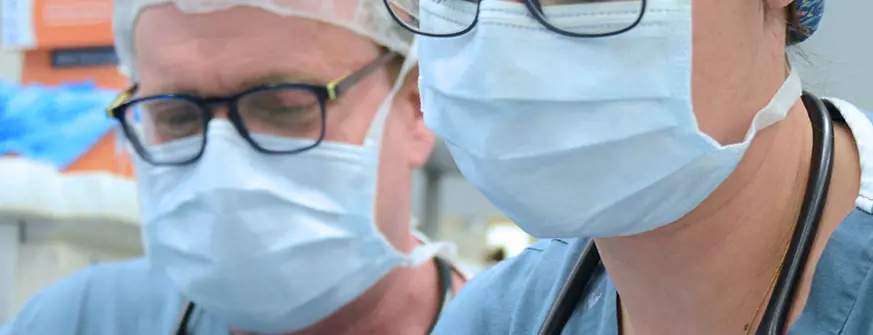
The Anesthesia, Pain and Intensive Care Division at the Tel Aviv Sourasky Medical Center is one of the largest in Israel. For the benefit of its patients, the division remains on the cutting edge of surgery, among the leading facilities in Israel and the world thanks to its continuous medical and surgical advancements.
Team


The Anesthesiology, Intensive Care and Pain Management Division at Tel Aviv Sourasky Medical Center (Ichilov) includes approximately 90 anesthesiologists, intensive care physicians, and pain medicine specialists, making it the largest division of its kind in Israel and a leading center for clinical and academic training.
The Division provides comprehensive perioperative care for approximately 35,000 patients annually, combining expertise in pharmacology, physiology, internal medicine, and surgery. Services include preoperative assessment and individualized anesthesia planning, anesthesia administration, monitoring of vital functions during surgery, and postoperative recovery care. The Division also performs approximately 2,000 sedation procedures for infants, children, and adults each year and provides epidural anesthesia for approximately 10,000 women in labor, as well as anesthesia for cesarean deliveries.
Beyond the operating room, the Division's physicians provide emergency resuscitation, trauma care, and general, neurosurgical, and cardiothoracic intensive care. Pain medicine specialists treat acute and chronic pain in the Emergency Department, inpatient departments, and Pain Management Institute. The integration of anesthesiology and intensive care ensures continuity of care, particularly for patients undergoing complex procedures such as organ transplantation and major surgery.
The Division comprises three main services: Anesthesiology and Post-Anesthesia Care, Intensive Care, and the Pain Management Institute. All are equipped with advanced medical technologies and computerized systems to support patient safety, minimize complications, and optimize treatment outcomes.
An Essential Service for Surgical Patients
During surgery, the anesthesiologist is responsible not only for administering anesthesia but also for continuously monitoring and maintaining essential bodily functions, including cardiovascular, respiratory, and neurological function.
The Division uses advanced anesthetic medications, ventilation systems, and monitoring technologies, including ultrasound, transesophageal echocardiography, advanced cardiac monitoring, and fiber-optic intubation equipment.
Following surgery, patients are transferred to the post-anesthesia care unit for continued monitoring and treatment until they are ready for admission to an inpatient department or discharge home. Patients requiring specialized postoperative pain management receive appropriate care in coordination with the Pain Management Institute.
Extensive Care Beyond the Operating Room
Anesthesiology services extend beyond surgical procedures and support a wide range of diagnostic, therapeutic, and emergency treatments throughout the Medical Center.
Pediatric Sedation: The specialized Dream Service provides sedation for children in a calm, supportive environment.
Sedation for Diagnostic and Therapeutic Procedures: Anesthesia and sedation are provided for imaging procedures, including CT, MRI, and angiography, as well as gastroenterology procedures for adults and children.
Interventional Cardiology: Anesthesiologists provide anesthesia and monitoring during complex cardiac catheterization procedures, including stent implantation, heart valve replacement, and treatments for cardiac arrhythmias.
Dental Procedures: Anesthesia and sedation services are available for children and adults with special needs and for patients undergoing extensive or complex dental treatment.
Emergency and Critical Care: The Division's physicians participate in resuscitation, trauma care, and the treatment of critically ill patients requiring advanced medical support.
Professional Education and Training
The Anesthesiology Division operates one of Israel's most sought-after anesthesiology residency programs, with approximately 30 residents participating at various stages of training each year.
Residents receive comprehensive training in anesthesiology techniques and a broad range of adult and pediatric procedures. They gain experience in managing diverse medical conditions, including emergency and critical care situations.
The residency program includes structured training in the Intensive Care Unit and Pain Management Institute, participation in clinical research, academic activities, and preparation for specialist examinations. The program has consistently achieved high examination pass rates.
The Division also welcomes physicians from Israel and abroad for advanced training in general and specialized anesthesiology, including cardiac, neurosurgical, and pediatric anesthesia.
Medical students receive clinical exposure to anesthesiology through dedicated teaching programs, which have consistently received high satisfaction ratings.
Research and Innovation
The Anesthesiology, Intensive Care and Pain Management Division conducts clinical and experimental research, with findings published in Israeli and international medical journals.
Research areas include perioperative fluid management, postoperative pain treatment, monitoring anesthetized patients and anesthesia depth, postoperative cognitive impairment and complications, pulmonary hypertension, and the development of advanced medical equipment in collaboration with industry partners.
Additional research focuses on ischemia and reperfusion injury, including experimental studies involving isolated organs in laboratory animals.
Clinical Services and Specialties
In early 2024, Tel Aviv Sourasky Medical Center inaugurated the new underground Kissufim Surgical Complex, featuring 10 state-of-the-art operating rooms. This expansion has made the Medical Center's surgical facilities the largest in Israel and is expected to help reduce surgical waiting times nationwide.
The new operating rooms are equipped with advanced medical technologies, modern infrastructure, and innovative digital systems designed to enhance patient care and support surgical teams.
The Anesthesiology Division and operating rooms function 24 hours a day, 365 days a year, providing anesthesia services for scheduled, urgent, and emergency procedures. The surgical facilities are also prepared to respond to mass-casualty incidents.
Operating room services are delivered by multidisciplinary teams of anesthesiologists, nurses, support staff, and administrative personnel, assisted by engineers and biomedical technicians responsible for maintaining and operating complex medical equipment.
Postoperative recovery is a critical stage of surgical care. Following surgery, patients are transferred to the Post-Anesthesia Care Unit (PACU) for monitoring, recovery from anesthesia, and initial pain management. Depending on their condition, patients may receive respiratory support, medications, and other necessary treatments.
The duration of recovery depends on the type of surgery, the patient's medical condition, and any underlying illnesses. Once stable, patients are transferred to the appropriate inpatient department.
The PACU is staffed by physicians and nurses trained in intensive care and equipped with advanced monitoring and treatment systems. Patients requiring more complex care may remain under observation until their condition stabilizes or be transferred to an intensive care unit.
The General Intensive Care Unit provides advanced treatment for critically ill patients with complex medical conditions. Patients are admitted from the Emergency Department, inpatient departments, operating rooms, and other hospitals.
Conditions requiring intensive care include:
-
Severe respiratory failure requiring advanced ventilation, invasive monitoring, or extracorporeal membrane oxygenation (ECMO).
-
Severe traumatic injuries, including road accidents and conflict-related injuries.
-
Recovery following major or complex surgical procedures.
-
Severe infections, including sepsis and multiple organ dysfunction.
-
Poisoning and other life-threatening medical emergencies.
-
Critical obstetric conditions, including preeclampsia and childbirth-related complications.
-
Care following liver transplantation.
-
Severe liver failure requiring Molecular Adsorbent Recirculating System (MARS) therapy.
The Unit's medical team is also responsible for emergency resuscitation throughout the hospital.
Care is provided by a multidisciplinary team of intensive care specialists, nurses, physiotherapists, social workers, and medical consultants. Senior physicians are trained in intensive care medicine and additional specialties, including anesthesiology, internal medicine, thoracic surgery, pulmonology, and nephrology.
Patients receive continuous monitoring and advanced organ support using invasive monitoring systems, mechanical ventilators, dialysis equipment, enteral and parenteral nutrition, ECMO, and artificial liver support systems.
The Obstetric Anesthesia Unit at Lis Maternity and Women's Hospital is part of the Medical Center's Anesthesiology Division.
The Unit is staffed by anesthesiologists specializing in obstetric anesthesia and pain management, with expertise in the medical conditions and unique needs of pregnant women.
The team provides labor pain relief, including epidural anesthesia, as well as anesthesia for planned and emergency cesarean deliveries.
The Pediatric Anesthesia Unit at Dana-Dwek Children's Hospital is dedicated to ensuring a safe, comfortable, and reassuring experience for children and their families before, during, and after surgery.
The Unit places particular emphasis on reducing anxiety, pain, and the emotional stress associated with surgical procedures.
Pediatric operating rooms are designed to provide a child-friendly environment and are equipped with modern medical technologies. Advanced anesthetic medications and techniques, together with the expertise of the pediatric anesthesia team, help ensure safe and effective care tailored to each child's needs.
The Pre-Anesthesia Clinic plays an essential role in preparing patients for surgery and minimizing potential complications during and after anesthesia.
During the consultation, anesthesiologists review the patient's medical history, evaluate existing medical conditions, and determine whether additional tests or treatment adjustments are needed before surgery.
Appointments generally take place several days to several weeks before the scheduled procedure, depending on its urgency and availability.
The visit includes an assessment by an anesthesiologist and a consultation with a nurse. Patients receive information about anesthesia, the surgical process, postoperative recovery, and pain management, and have an opportunity to discuss any concerns.
The Pain Management Institute provides comprehensive, multidisciplinary assessment, treatment, and rehabilitation for patients experiencing acute, chronic, and cancer-related pain.
The team includes physicians specializing in pain medicine from various disciplines, including anesthesiology, emergency medicine, neurology, orthopedics, and rehabilitation medicine, alongside nurses, psychologists, and complementary medicine practitioners.
The Institute provides daily consultations for hospitalized patients, Emergency Department patients, and community referrals, with particular expertise in complex and persistent pain conditions.
Conditions Treated
-
Acute herpes zoster (shingles) and postherpetic neuralgia.
-
Diabetic neuropathy.
-
Headache disorders.
-
Peripheral nerve injuries, including complex regional pain syndrome (CRPS).
-
Myofascial pain syndromes.
-
Postoperative pain syndromes.
-
Non-rheumatologic joint pain.
-
Herniated discs.
-
Spinal stenosis.
-
Lower back pain.
-
Work-related injuries.
Treatment Methods
The Institute offers advanced pain management techniques, including image-guided injections using fluoroscopy or ultrasound, spinal cord and peripheral nerve stimulation, radiofrequency treatments, spinal drug pump management, transcranial magnetic stimulation, and pharmacological therapies.
Treatment plans are individualized and may involve collaboration with specialists from other medical disciplines.
The Day Surgery Unit provides surgical procedures that allow patients to undergo surgery, recover, and return home on the same day, without requiring overnight hospitalization.
Day surgery is increasingly available to a broad range of patients, including children, older adults, and individuals with underlying medical conditions. Procedures are performed across various surgical specialties.
This approach reduces unnecessary hospitalization and exposure to hospital-acquired infections while allowing patients to recover in familiar surroundings. It is particularly beneficial for children, older adults, and patients who may find changes in their environment challenging.
Some patients may require postoperative hospitalization, depending on the type of procedure, their medical condition, available family support, and home environment. The Unit also provides surgical care for patients already hospitalized in other departments.
Sedation is a medically induced state between full wakefulness and general anesthesia, intended to reduce anxiety, discomfort, and pain during diagnostic or therapeutic procedures.
Sedative medications may be administered orally, intravenously, or by inhalation, according to the anesthesiologist's assessment. Throughout the procedure, patients are monitored for blood pressure, heart rate, and oxygen saturation and receive supplemental oxygen as needed.
Patients generally regain consciousness shortly after sedation is discontinued. Possible side effects include nausea, vomiting, and drowsiness.
Sedation services are provided by experienced anesthesiologists trained in administering anesthesia and sedation outside the operating room.
Adult Sedation and Anesthesia
Sedation is provided for diagnostic and therapeutic procedures, particularly for patients experiencing anxiety or difficulty cooperating with treatment.
Services include sedation for imaging examinations, endoscopy, bronchoscopy, transesophageal echocardiography, and electroconvulsive therapy (ECT).
Sedation is also available in inpatient departments for painful procedures, such as dressing changes for patients with burns.
Pediatric Sedation – The Dream Service
The Dream Service provides sedation and anesthesia for children undergoing diagnostic examinations and medical procedures, helping reduce anxiety, discomfort, and the need to remain still for extended periods.
Dental Procedures Under Sedation or General Anesthesia
Sedation and general anesthesia are available for dental procedures involving children, adults, and patients with special needs.
These services are particularly beneficial for patients experiencing significant dental anxiety or undergoing lengthy or extensive dental treatments.
Emergency and Resuscitation Services
Anesthesiologists also play a central role in the hospital's emergency response and resuscitation teams.
They assist in managing patients with severe traumatic injuries, multiple organ dysfunction, and serious infections in the Emergency Department.
They are also called upon to stabilize critically ill patients whose condition deteriorates during hospitalization and to participate in emergency resuscitation throughout the Medical Center.
Due to the scope and complexity of surgical activity at Tel Aviv Sourasky Medical Center, the Anesthesiology Division operates specialized teams dedicated to different surgical disciplines, including cardiac and thoracic surgery, neurosurgery, spine surgery, and organ transplantation.
Anesthesia for Brain and Spine Surgery
Specialized anesthesia for complex neurosurgical procedures, including brain tumor removal, treatment of intracranial hemorrhage, epilepsy, Parkinson's disease, and spinal surgery.
Some procedures are performed under general anesthesia, while others are conducted with the patient awake. Anesthesia care includes advanced monitoring, preservation of brain and nervous system function, and adjustment of anesthesia depth throughout surgery.
Anesthesia for Cardiac and Thoracic Surgery
Anesthesia provided by specialists in cardiac and thoracic procedures, using advanced monitoring of heart and lung function to maintain patient stability.
Services include anesthesia for cardiac and thoracic surgery, complex vascular procedures, and minimally invasive interventions, as well as pain management during and after surgery.
Anesthesia and Intensive Care for Organ Transplantation
Specialized anesthesia and intensive care for patients undergoing liver, kidney, and pancreas transplantation.
Care includes preoperative assessment and preparation, advanced monitoring and anesthesia management during complex surgery, and postoperative intensive care when needed.
Particular emphasis is placed on maintaining patient stability and preserving the function of the transplanted organ.