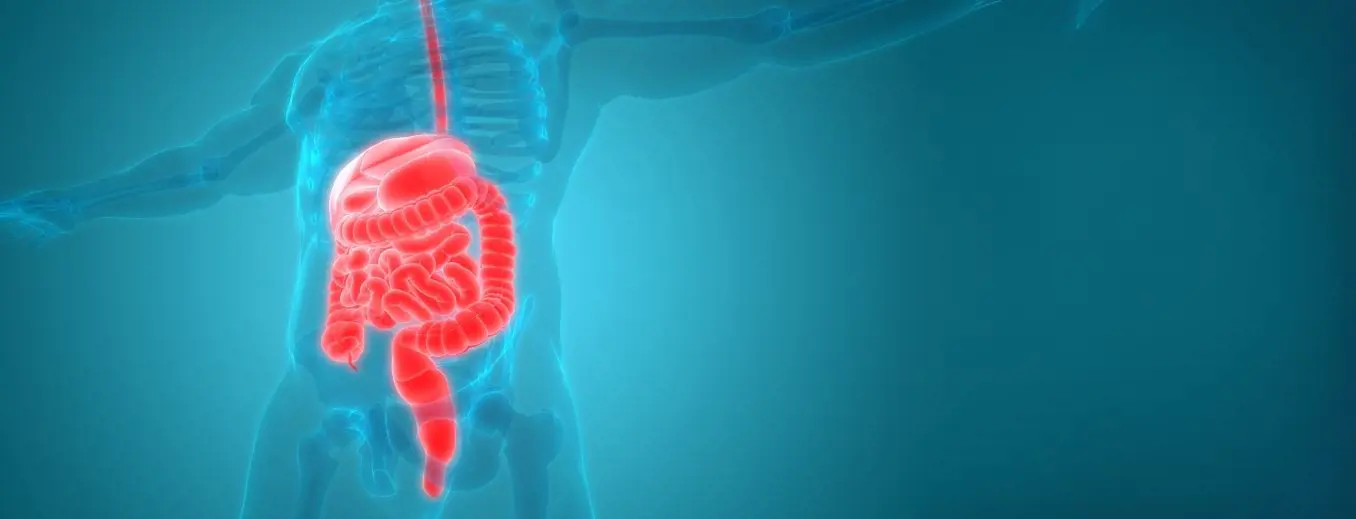
The Gastroenterology Institute of the Tel Aviv Medical Center, the largest of its kind in Israel, provides a complete complement of services and clinics for the diagnosis, treatment, and prevention of a broad range of digestive system conditions. Renowned for its unique leading-edge medical services, the Institute provides the professional care and personal attention patients need on the road to recovery.
The Institute of Gastroenterology and Liver Diseases at Tel Aviv Medical Center – Ichilov is the largest of its kind in Israel. It brings together a wide range of diverse and specialized clinics and services under one roof, enabling diagnosis and treatment through a comprehensive approach to patients' medical needs.
The Institute performs a full range of examinations and treatments required for the prevention, diagnosis, and treatment of gastrointestinal and liver diseases. The Gastroenterology Institute at Ichilov is the only institute in Israel recognized by the European Union for specialization in gastroenterology and liver diseases.
Medical Units
The Liver Diseases Unit provides comprehensive care at every stage and for all types of liver disease, from thorough investigation of the underlying cause to innovative treatments incorporating advanced technologies and liver transplantation.
The unit's team includes 11 senior physicians whose clinical expertise and scientific research focus on various types of liver diseases. The unit also includes a skilled paramedical team, a laboratory performing specialized diagnostic tests, and a clinical research unit offering innovative drug treatments for liver diseases for which no treatment is currently available.
Clinics within the Liver Unit:
-
Fatty Liver Clinic
-
Autoimmune and Cholestatic Liver Diseases Clinic
-
Alcoholic Liver Disease Clinic
-
Neuro-Hepatology Clinic – for the diagnosis of minimal hepatic encephalopathy
-
Combined Liver Diseases and Inflammatory Bowel Disease (IBD) Clinic
-
Combined Liver Cancer Clinic
-
Combined Liver and High-Risk Pregnancy Clinic
-
Liver Transplantation Clinic
The Endoscopy Unit performs complex endoscopic procedures, such as colonoscopy and gastroscopy, enabling the prevention, diagnosis, and treatment of various gastrointestinal diseases. These include treatment of gastrointestinal bleeding, diagnosis of gastrointestinal inflammation, removal of polyps, treatment of strictures, and diagnosis and treatment of diseases of the bile ducts and pancreas.
The Endoscopy Unit includes several clinics and specialized services:
-
Pancreas Clinic: Diagnosis and treatment of chronic and acute pancreatitis, autoimmune and IgG4-related pancreatitis, pancreatic cysts, and pancreatic tumors.
-
ERCP Service: Treatment of stones in the bile ducts and pancreatic ducts, benign (PSC) and malignant strictures, and tumors of the bile ducts and pancreas.
-
Endoluminal Service: Removal of complex polyps using various techniques, including EMR, FTRD, and ESD; dilations, stent placement, foreign body removal, and treatment of motility and anatomical disorders of the biliary tract.
Certain groups of people are at high risk of developing various types of cancer. However, cancer can also be prevented in these individuals through close, professional surveillance within an appropriate medical framework.
The Gastrointestinal Tumors Service offers specialized services to identify individuals at risk of gastrointestinal tumors and develop personalized surveillance programs aimed at preventing disease. These programs include endoscopic examinations using specialized techniques that improve the detection of precancerous lesions, which can be removed endoscopically.
In addition, surveillance and treatment are carried out in close collaboration with physicians from other specialties, including gynecologists, surgeons, and oncologists.
As part of the Gastrointestinal Tumors Service, genetic counseling is provided to identify families carrying genes that may transmit a hereditary predisposition to cancer. Within these families, carriers requiring close surveillance are identified, while family members who do not carry the genetic mutation are spared the need for special surveillance.
Following identification, patients with a confirmed genetic predisposition to cancer undergo ongoing surveillance at the Family Clinic.
The laboratory performs tests for disease monitoring, tests to assist in diagnosing malabsorption, tests to detect the presence of Helicobacter pylori, stool marker tests, and molecular tests to characterize risk factors for gastrointestinal and liver diseases.
The laboratory is also responsible for the hospital's body fluids testing service and conducts clinical research that contributes to the development of specialized laboratory tests in the field.
The laboratory provides services to patients of the Institute of Gastroenterology and Liver Diseases, hospital clinics and departments, and various external organizations.
One of the functions of the digestive system is to absorb nutrients from food and provide energy essential for the body's growth and maintenance. To achieve this, the digestive system moves food along the gastrointestinal tract. During its passage, food is broken down by digestive juices in the stomach. It then moves to the small intestine, where nutrients are absorbed, and to the large intestine, where waste is processed and excreted.
Damage to the nerves and muscles of the digestive system causes disturbances in food transit, resulting in swallowing difficulties, heartburn, a feeling of fullness, abdominal bloating, constipation, and diarrhea. Damage to sensory nerves causes abdominal pain, chest pain, bloating, and nausea. These complaints are currently referred to as "functional gastrointestinal disorders" and are treated by gastroenterologists specializing in neurogastroenterology.
Medical Units:
Pelvic Floor Disorders – Multidisciplinary Clinic
The clinic treats patients experiencing difficulty with bowel movements, loss of sphincter control (fecal incontinence), or pain in the anus and pelvic floor.
Esophageal Motility Disorders Clinic
The clinic treats a wide range of esophageal disorders, including dysfunction of the swallowing muscles and pharynx, chronic heartburn, esophageal inflammation, and other conditions.
Functional Gastrointestinal Disorders – Multidisciplinary Clinic
The clinic specializes in the diagnosis and treatment of functional stomach and bowel disorders for which standard medical evaluation has not identified an underlying cause.
Chronic Abdominal Pain Clinic
The clinic treats patients who have experienced persistent abdominal pain for an extended period without a clear diagnosis.
The obesity epidemic has been recognized by the World Health Organization (WHO) as a chronic disease affecting all population groups and age groups, requiring effective, long-term solutions.
It is now understood that successful long-term obesity treatment includes gastrointestinal interventions, such as reducing stomach volume, decreasing nutrient absorption, and regulating hormones secreted by the gastrointestinal tract that control hunger and satiety. These interventions are combined with lifestyle changes, with or without supportive medication.
The Institute of Gastroenterology and Liver Diseases offers a unique obesity treatment service, the first of its kind in Israel. The service combines consultation and ongoing support from a multidisciplinary team, including physicians specializing in obesity and its associated conditions, a dietitian specializing in bariatric patients and obesity, and a dedicated psychotherapist.
Treatments offered at the clinic:
-
Support for lifestyle changes, with an emphasis on physical activity and nutrition.
-
Personalized medication treatment based on patient characteristics, recognizing that obesity has several underlying mechanisms and that different medications act through different mechanisms.
-
Nonsurgical endoscopic stomach reduction (Endoscopic Sleeve Gastroplasty).
-
Combined treatment using an intragastric balloon.
-
Preoperative gastrointestinal evaluation as part of the approval process by the bariatric committee within the Multidisciplinary Obesity Center.
-
Treatment of complications following bariatric surgery, including weight regain with or without dumping syndrome, swallowing difficulties, nutritional deficiencies, anastomotic strictures, gastric narrowing following sleeve gastrectomy, and other complications. Treatment is provided in close coordination with the hospital's Bariatric Surgery Department.
-
Treatment of gastrointestinal diseases and symptoms commonly associated with obesity.
-
Combined Fatty Liver and Bariatric Clinic.
The Inflammatory Bowel Disease Unit provides comprehensive care for patients with Crohn's disease and ulcerative colitis. The unit offers diagnosis, treatment, and follow-up for patients with inflammatory bowel diseases.
These are chronic diseases that are usually diagnosed at a young age, although they may also first appear in adulthood, and are characterized by periods of flare-ups and remission.
The unit aims to shorten flare-ups and reduce their severity, extend periods of remission, and enable patients to maintain a good quality of life and a normal lifestyle while helping them cope with their disease.
Alongside comprehensive treatment, the unit works to strengthen communication with patients. Any patient who wishes to do so may register with the Patient Information Center at the Institute of Gastroenterology and Liver Diseases to receive information about new developments, research, and updates related to their condition.
The unit provides services through clinics staffed by physicians specializing in inflammatory bowel diseases, as well as dedicated clinics serving various purposes.
The Capsule Endoscopy Service offers a range of examinations based on advanced technology. A capsule containing a light source and camera travels through the gastrointestinal tract, transmitting images to a sensor belt and receiver worn around the patient's waist.
Following the examination, the medical team reviews the endoscopic video using specialized software and evaluates the findings.
These examinations enable thorough and detailed assessment using noninvasive methods, without the need for anesthesia or exposure to radiation.
In recent years, it has become increasingly clear that nutrition and appropriate nutritional support play a significant role in health and illness.
Proper and supportive nutrition can help patients cope with chronic diseases and side effects of various treatments, as well as improve daily functioning.
In complex medical conditions, both nutritional intake and the most appropriate method of nutritional delivery must be individually tailored to the patient's needs.
Digestive and Absorption Disorders Clinic
Malabsorption is a condition in which food consumed orally is not properly absorbed, preventing the body from utilizing its various nutrients.
Combined Parenteral Nutrition Clinic
Intravenous nutrition (Parenteral Nutrition – PN).
Gastrostomy (PEG) Clinic
A gastrostomy tube is a flexible tube designed to deliver food, water, and medications directly into the stomach, either by the patient or their caregiver.