
The Pediatric Surgery Department treats infants, children and adolescents from 0 to 18 years of age suffering from a wide variety of difficulties requiring surgical intervention.
Team
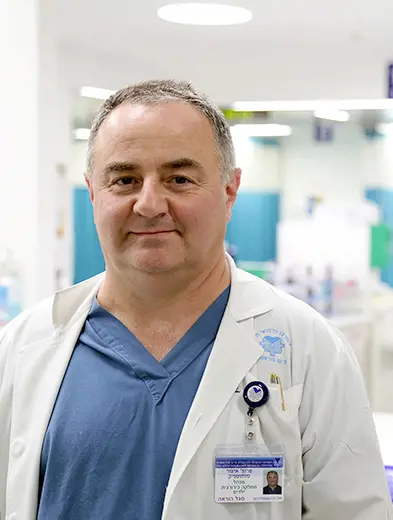
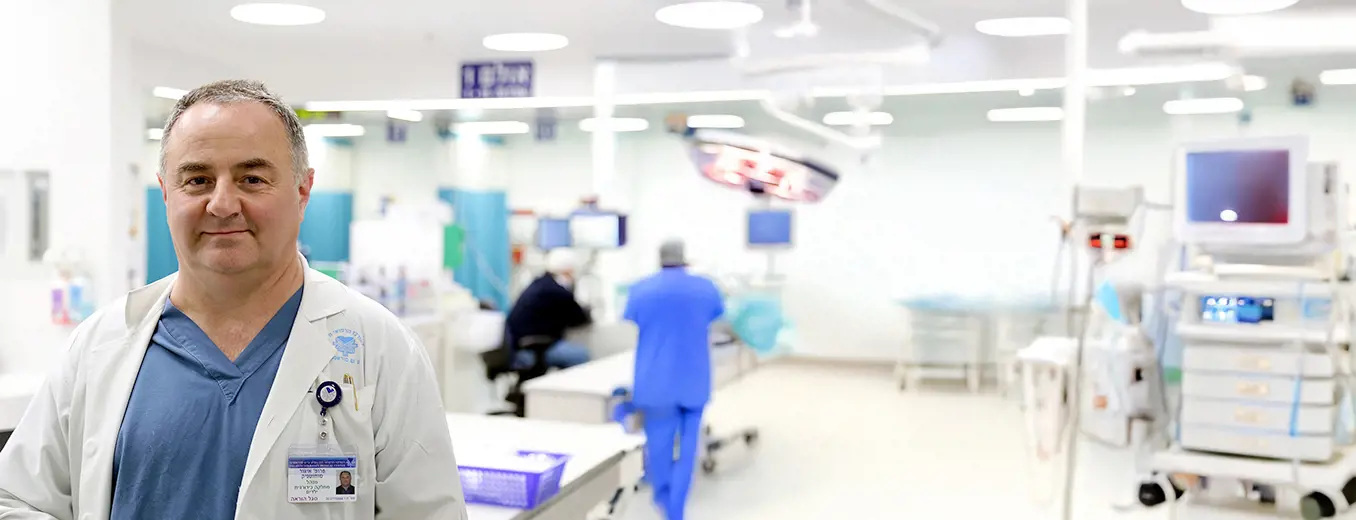
The Pediatric Surgery Department provides care for infants, children, and adolescents aged 0–18 with a wide range of conditions requiring surgical intervention.
For the first time in Israel’s public healthcare system, families are able to choose a pediatric surgeon from among the department’s senior physicians.
The department has 16 inpatient beds and a multidisciplinary team that includes 15 registered nurses, a physiotherapist, occupational therapist, dietitian, social worker, speech-language pathologist, and psychologist.
Main Areas of Treatment
- General Pediatric Surgery – Treatment of conditions such as inguinal hernia, umbilical hernia, undescended testis, hydrocele, appendicitis, and abdominal and chest conditions.
- Specialized Treatment for Inguinal Hernia – Our department is the only center in Israel that routinely performs pediatric inguinal hernia repair using a laparoscopic approach. For undescended testes, diagnosis is recommended at around 6 months of age, with surgery performed between 12 and 18 months to achieve better long-term outcomes.
- Pediatric Oncological Surgery – The department treats children with tumors of the chest, kidneys, and gastrointestinal system, working closely with the Pediatric Hemato-Oncology Department to provide comprehensive care.
- Congenital Malformations – Complex congenital conditions diagnosed during pregnancy are managed in collaboration with the Obstetric Ultrasound and High-Risk Pregnancy Unit. Gynecologists, geneticists, and pediatric surgeons meet with parents to discuss treatment and make joint decisions. Conditions include congenital diaphragmatic hernia, esophageal atresia, duodenal atresia, congenital lung malformations, and others.
- Chronic and Acute Conditions – Treatment includes inflammatory bowel disease, gallstones, gastroesophageal reflux disease (GERD), as well as acute conditions such as intestinal obstruction, appendicitis, peritonitis, testicular torsion, and varicocele.
- Additional Specialized Procedures – Circumcision, Port-A-Cath and Hickman catheter insertion, bronchoscopies, tissue biopsies, and other procedures.
The Pediatric Surgery Department performs over 1000 surgeries annually. The multi-disciplinary staff includes a physiotherapist, occupational therapist, dietician, social worker, speech therapist and psychologist.
All operations are performed in modern operating rooms with a specialist pediatric anesthetist. To avoid major invasive surgery as much as possible, and to facilitate faster healing and recovery, surgeons often use laparoscopic techniques.
The Pediatric Surgery Department provides comprehensive surgical care for infants, children, and adolescents with a wide range of diseases, congenital abnormalities, and surgical conditions. These include hernias, gastrointestinal, chest and lung conditions, undescended testes, inflammatory bowel diseases, short bowel syndrome, tumors, and other conditions requiring surgical intervention.
Innovative methods
The department uses advanced and innovative surgical techniques, with an emphasis on minimally invasive laparoscopic and thoracoscopic surgery. These approaches enable a wide range of procedures to be performed using a camera and specialized instruments inserted through very small incisions, avoiding the need for large surgical cuts. Procedures include hernia repair, stomach and intestinal surgery, gallbladder and spleen surgery, treatment of gastroesophageal reflux disease (GERD), removal of cysts and tumors, treatment of undescended testes, and thoracic surgery. Minimally invasive techniques are designed to reduce pain and complications, minimize scarring, and shorten hospitalization and recovery time.
The department also offers specialized and advanced treatments, including bowel lengthening surgery for children with short bowel syndrome, surgery for children with inflammatory bowel disease, and minimally invasive treatment of pilonidal sinus. Some treatments are provided in collaboration with other hospital departments and multidisciplinary teams.
Neonatal and Preterm Infant Surgery
Another major area of expertise is neonatal and preterm infant surgery. The team treats a variety of congenital abnormalities affecting the gastrointestinal tract, lungs, diaphragm, and abdominal wall, as well as complications of neonatal necrotizing enterocolitis (NEC). Advanced diagnostic and surgical techniques are used in this field as well, including laparoscopic repair of congenital abnormalities.
In addition, the department operates a prenatal diagnosis forum in collaboration with pediatric surgeons, obstetricians, and neonatologists. This multidisciplinary approach enables families to receive continuous support from the diagnosis of a congenital abnormality during pregnancy, through delivery, and into any surgical treatment required after birth.
Hospitalization
Most rooms in the Pediatric Surgery Department accommodate two children, while single-patient rooms are available when required by the child’s medical condition. Each room has a private shower and toilet.
Families have access to a parents’ kitchen equipped with hot and cold water, utensils for parents and children, and a refrigerator where items labeled with the child’s identification details may be stored.
- Meals – Meals are served at set times: breakfast from 8:00–8:30 AM, lunch from 12:00–12:30 PM, and dinner from 5:00–6:00 PM. Infant formula is available for babies up to one year old, as well as fruit puree. The Ezer Mizion volunteer organization also provides meals and sandwiches for parents.
- Overnight stay – If a child is hospitalized for one day or longer, one parent may stay with the child throughout the hospitalization, including overnight. Each room has a reclining chair that converts into a bed for the parent. A laundry room with sheets, pillows, and blankets is also available.
- Diapers – Diapers in a range of sizes are available for hospitalized children of all ages and weights.
- Recreational and educational activities – Dana-Dwek Children’s Hospital provides kindergarten and school classrooms for hospitalized children, with toys, games, and activities to make their stay more enjoyable.
- Children can continue their studies in the classroom on the second floor and catch up on schoolwork missed during hospitalization. A medical clown visits the department almost every day, entertaining children with magic, juggling, and imaginative activities.
- Family Visiting Hours – Daily, 8:00 AM–8:00 PM.
Associated medical units
Pediatric Surgery Clinics
The clinic provides diagnosis, consultation, and treatment for children aged 0–18 with a wide range of surgical conditions involving the gastrointestinal system, lungs, testes (including undescended and non-palpable testes), hernias (inguinal, umbilical, and epigastric), excessive sweating (hyperhidrosis), anal fistulas and abscesses, and gastroesophageal reflux disease (GERD).
The clinic also provides follow-up care for children after surgery for appendicitis, gallbladder surgery, tumor removal, and other surgical procedures, as well as children undergoing pacemaker implantation for the treatment of epilepsy.
The clinic treats children referred following a visit to the Emergency Department, after hospitalization in the Neonatal Intensive Care Unit (NICU), or from other hospital departments.
Intestinal Rehabilitation – Multidisciplinary Clinic
The Pediatric Intestinal Rehabilitation Clinic at Dana-Dwek Children’s Hospital is a joint clinic of the Pediatric Gastroenterology Department and the Pediatric Surgery Department.
The clinic treats children with intestinal failure, which may result from a variety of conditions. These children may experience nutritional deficiencies and require nutritional rehabilitation to support healthy growth and development.
The clinic provides comprehensive evaluation and multidisciplinary care tailored to the needs of children with intestinal failure.