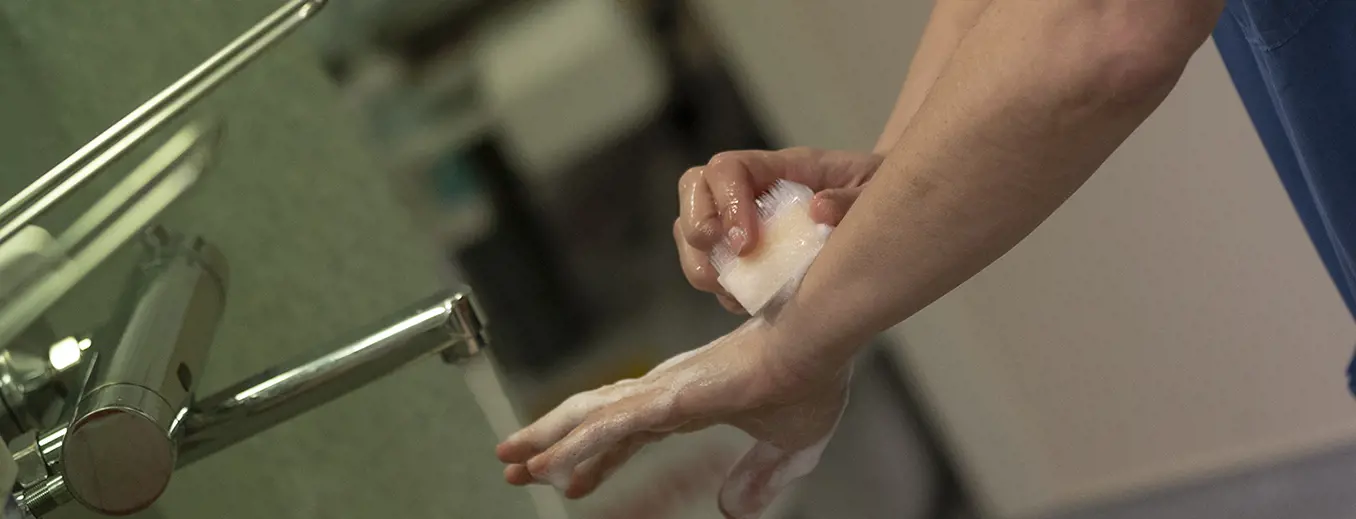
The Department of Neurosurgery of the Tel Aviv Sourasky Medical Center specializes in treating disorders of the brain, spinal cord, and peripheral nervous system in children and adults. Patients from throughout Israel and the world seek treatment at TASMC, which is considered the leading neurosurgery facility in Israel and one of the most advanced internationally.
Team

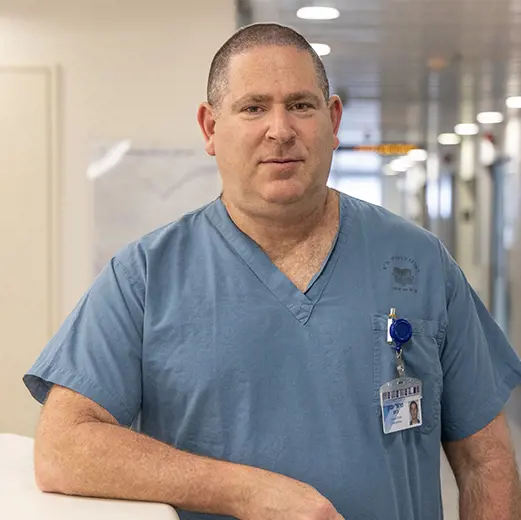
The Neurosurgery Division at Tel Aviv Sourasky Medical Center (Ichilov) specializes in the diagnosis and surgical treatment of a wide range of conditions affecting the brain, spine, cerebral blood vessels, and peripheral nervous system in both adults and children. Recognized as a leading neurosurgical center in Israel, the Division treats patients from across the country and abroad, using advanced technologies and innovative surgical techniques.
The Division performs approximately 2,300 surgical procedures annually, including awake brain surgery, endoscopic and minimally invasive procedures, pediatric neurosurgery, epilepsy surgery, and surgical treatment of neurological disorders such as Parkinson's disease.
The Division has 40 inpatient beds in single- and double-occupancy rooms, providing high standards of hospitalization and patient care, as well as 10 dedicated intensive care beds.
The multidisciplinary team includes senior neurosurgeons specializing in various subspecialties, many of whom have completed advanced training abroad, alongside experienced nursing staff and a social worker. The team provides comprehensive support throughout hospitalization and recovery. In addition, the Division operates specialized outpatient clinics offering consultation, treatment, and follow-up care for a broad range of neurosurgical conditions.
Surgical Excellence
The Division is committed to high international standards of neurosurgical care, combining clinical expertise, advanced technology, and evidence-based treatment approaches.
Surgical procedures are performed using state-of-the-art technologies, including neuronavigation, intraoperative MRI, awake brain surgery, endoscopic techniques, and intraoperative electrophysiological monitoring. These technologies support surgical precision and help preserve neurological function during complex procedures involving the brain, spine, and peripheral nerves.
Specialized Procedures and Treatments
The Division provides a comprehensive range of advanced neurosurgical procedures, including:
Brain Tumors and Skull Base Surgery
-
Surgery for benign, malignant, and metastatic brain tumors.
-
Skull base tumor removal and reconstructive surgery.
-
Pediatric brain tumor surgery.
-
Pituitary surgery using standard and extended endoscopic approaches.
-
Stereotactic brain biopsy.
-
Cranioplasty.
-
Surgery and radiosurgery for acoustic neuromas.
Cerebrovascular and Endovascular Neurosurgery
-
Surgical and endovascular treatment of cerebral aneurysms.
-
Treatment of cerebral vascular malformations, including arteriovenous malformations (AVMs).
-
Endovascular treatment of stroke, including thrombectomy and intra-arterial thrombolysis.
-
Advanced cerebrovascular reconstruction and revascularization procedures.
Functional and Epilepsy Surgery
-
Surgical treatment of epilepsy.
-
Surgical treatment of Parkinson's disease and other movement disorders.
-
Microvascular decompression for neurological pain syndromes.
Pediatric and Congenital Conditions
-
Treatment of congenital malformations of the skull and spine.
-
Shunt procedures for hydrocephalus.
-
Advanced pediatric neurosurgical procedures.
Spine and Peripheral Nerve Surgery
-
Surgical treatment of spinal disorders and spinal tumors.
-
Peripheral nerve reconstruction.
-
Minimally invasive and endoscopic neurosurgical procedures.
Stereotactic Radiation Treatments
-
Stereotactic radiosurgery (SRS).
-
Fractionated stereotactic radiotherapy (FSRT).
Departments and Specialized Units
The Neurosurgery Department at Tel Aviv Sourasky Medical Center (Ichilov) is part of the Neurosurgery Division. The Department has 40 inpatient beds, with single- and double-occupancy rooms offering high standards of patient care and comfort. Room assignments are determined by the nursing staff based on medical considerations.
The Brain Tumor Center at Tel Aviv Sourasky Medical Center (Ichilov) is the largest center of its kind in Israel and is recognized as one of the most advanced internationally. The Center treats patients from across the country, providing comprehensive care for all types of brain tumors using advanced surgical technologies.
The multidisciplinary team includes neurosurgeons specializing in brain tumors, neuro-oncologists, radiation oncologists, neuropathologists, and neuroradiologists. Dedicated patient coordinators and a social worker provide guidance and support to patients and their families, including assistance with medical and administrative matters, with 24/7 availability.
Patients undergo cognitive assessments throughout their treatment to monitor functional changes and identify rehabilitation needs. Weekly multidisciplinary Tumor Board meetings bring together specialists to review individual cases and determine optimal treatment strategies.
Areas of Expertise
-
Awake craniotomy: Brain tumor removal using advanced electrophysiological monitoring to preserve language, motor, and higher cognitive functions.
-
Brain tumor surgery: Surgical removal of benign and malignant tumors, including meningiomas, gliomas, brain metastases, and cavernomas.
-
Stereotactic biopsies: Precise tissue sampling, including procedures using 5-aminolevulinic acid (5-ALA) fluorescence guidance.
-
Laser Interstitial Thermal Therapy (LITT): Minimally invasive laser ablation of brain tumors.
-
Clinical research: The Center maintains ongoing research collaborations with leading international institutions and conducts innovative clinical trials in brain tumor treatment.
The Skull Base Surgery Unit specializes in the surgical treatment of tumors located at the base of the skull, using a range of advanced surgical approaches.
Skull base surgery is particularly complex because of the region's proximity to vital structures, including the cranial nerves, major cerebral blood vessels, and brainstem. Anatomically, the skull base is divided into anterior, middle, and posterior cranial fossae, each requiring specialized surgical techniques.
Procedures are performed by an experienced team of neurosurgeons who have completed extensive specialized training at leading international centers. The Unit has accumulated substantial experience in performing complex skull base procedures.
The Neurointerventional Unit (Interventional Neuroradiology) at Tel Aviv Sourasky Medical Center specializes in the diagnosis and minimally invasive endovascular treatment of vascular diseases affecting the brain, head, neck, and spine.
Main Procedures and Treatments
-
Acute ischemic stroke: Mechanical thrombectomy to remove blood clots from blocked cerebral arteries.
-
Cerebral aneurysms: Endovascular treatment using coils, stents, or balloons, often avoiding the need for open surgery.
-
Vascular malformations: Endovascular embolization of arteriovenous malformations (AVMs) and fistulas using specialized embolic materials.
-
Arterial stenosis: Angioplasty and stent placement to treat narrowed arteries in the head and neck.
-
Diagnostic cerebral angiography: Detailed imaging of cerebral blood vessels to diagnose vascular disorders.
The Neurosurgical Intensive Care Unit provides specialized treatment and close monitoring for critically ill patients with complex neurological and neurosurgical conditions.
Patients are admitted from the Emergency Department, following brain or spine surgery, or after neurointerventional procedures requiring intensive observation and treatment.
The Unit treats patients with a variety of serious conditions, including brain tumors, intracerebral hemorrhage, cerebral aneurysms, and spinal injuries.
Endoscopic neurosurgery involves minimally invasive surgical techniques using a miniature optical system inserted into spaces within the brain. Specialized surgical instruments are introduced through narrow working channels or alongside the endoscope.
The main advantage of endoscopic surgery is the ability to access deep brain structures through small surgical openings, reducing disruption to surrounding brain tissue compared with conventional surgical approaches.
Procedures are performed under general anesthesia and may last from approximately 30 minutes to several hours, depending on their complexity. They typically involve small incisions, often around 3 cm, and limited openings in the skull. Temporary drains may occasionally be required.
Following surgery, patients are monitored in the Neurosurgical Intensive Care Unit.
Many endoscopic procedures involve conditions affecting the brain's ventricular system, which contains cerebrospinal fluid. The endoscope allows surgeons to navigate these fluid-filled spaces and perform precise surgical interventions.
The Pediatric Neurosurgery Department at Dana-Dwek Children's Hospital is a leading center for pediatric neurosurgical care in Israel, treating children from across the country and abroad.
Approximately 80% of its patients come from outside the Greater Tel Aviv area. The Department performs one of the highest volumes of pediatric neurosurgical procedures and outpatient consultations in Israel.
Neurofibromatosis and Neurocutaneous Syndromes Center
The Center provides specialized care for children and adults with neurofibromatosis type 1 (NF1), neurofibromatosis type 2 (NF2), and other neurocutaneous disorders affecting the skin and central nervous system, including tuberous sclerosis and Sturge-Weber syndrome.
Tuberous Sclerosis Complex (TSC) Center
The Tuberous Sclerosis Complex Center at Dana-Dwek Children's Hospital operates in coordination with the National Neurofibromatosis Center.
The Center provides coordinated, multidisciplinary care for patients with TSC, a genetic disorder affecting multiple organ systems, and offers comprehensive support to patients and their families.
The Functional Neurosurgery Institute brings together a multidisciplinary team using advanced preoperative assessment technologies to identify brain regions involved in neurological disorders and develop individualized surgical treatment plans.
Advanced Preoperative Assessment
-
High-resolution anatomical brain imaging using 3-Tesla MRI.
-
Functional brain imaging using fMRI, PET, and magnetoencephalography (MEG).
-
Video-EEG monitoring in a specialized inpatient unit to record brain activity and seizures simultaneously.
-
Neuropsychological assessment of higher cognitive functions.
-
Wada testing to evaluate memory function.
Advanced Surgical Technologies
-
Intraoperative neuronavigation systems.
-
Electrocorticography (ECoG) for recording brain activity during surgery.
-
Intraoperative electrophysiological monitoring to identify and preserve motor pathways.
-
Awake brain mapping to identify language-related brain regions during surgery.
The Spine Surgery Unit, jointly operated by the Neurosurgery Division and the Orthopedic Division, provides comprehensive diagnosis and treatment of spinal disorders in adults and children.
The Unit has extensive experience in minimally invasive spine surgery, including procedures for herniated discs, spinal canal decompression, spinal fractures, tumor removal, and spinal stabilization.
The Unit treats more than 6,000 patients and performs over 600 spinal procedures annually.
Advanced surgical techniques include minimally invasive and endoscopic approaches, innovative spinal implants, bone fusion-enhancing materials, and advanced intraoperative neurological monitoring to reduce the risk of spinal cord injury.
The Unit also uses intraoperative neuronavigation and O-arm CT imaging to improve surgical precision and safety.
The Peripheral Nerve Reconstruction Unit specializes in treating traumatic injuries to peripheral nerves, the brachial plexus, and sacral nerve roots.
These injuries may result from road accidents, workplace injuries, sports trauma, gunshot wounds, or stab injuries. The Unit also performs procedures to release spinal nerve roots affected by scar tissue following previous surgery.
Main Procedures
-
Reconstruction and decompression of peripheral nerves in the upper and lower limbs.
-
Restoration of brachial plexus function following traumatic injury.
-
Surgical removal of peripheral nerve tumors.
-
Facial nerve reconstruction following injury.
-
Surgical treatment of painful neuromas.
Procedures are performed using advanced microsurgical techniques, including nerve decompression, nerve grafting, and nerve transfers to restore function in damaged nerves or nerve plexuses.
These approaches may benefit patients even years after the original injury, helping restore function and improve quality of life.
The Unit also conducts extensive research through the Nerve Reconstruction Research Center, contributing to advances in peripheral nerve repair and rehabilitation.