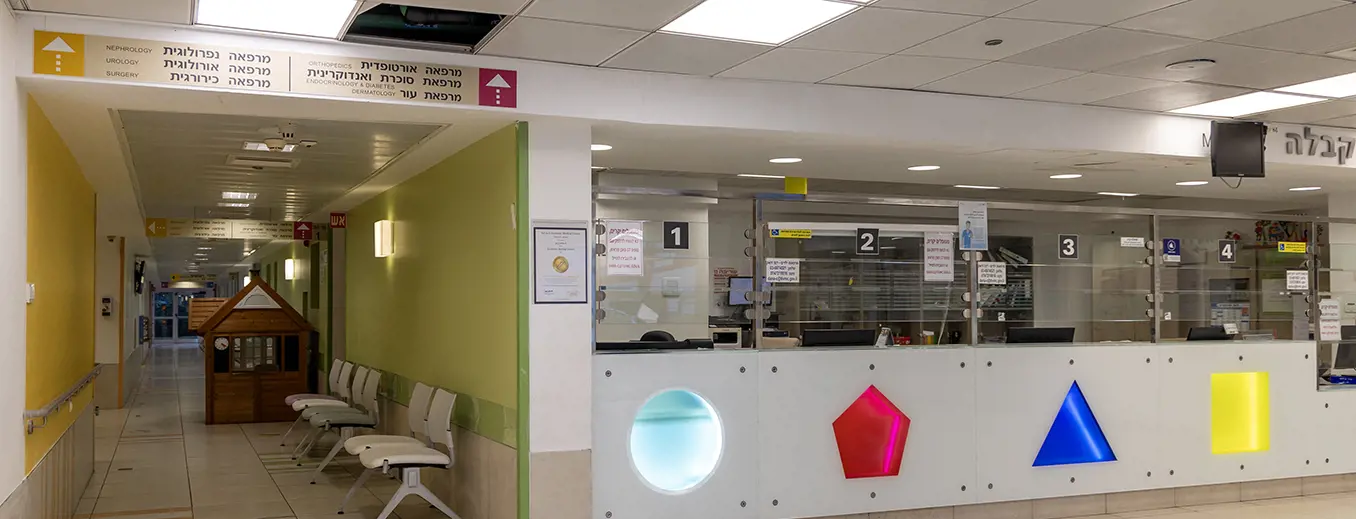
The Adolescent Clinic at Dana-Dwek Children’s Hospital treats adolescents aged 11–18 who experience a variety of conditions and challenges related to adolescence, including:
- Risky behavior
- Eating disorders
- Physical symptoms that interfere with daily functioning, such as abdominal pain, headaches, and weakness
- Coping with chronic illness, including support through a transition clinic
- Social adjustment difficulties
- Challenges of Adolescence
Adolescence is characterized by significant physical, emotional, and social changes. During this period, relationships between adolescents and their parents change, as do their interactions with their social environment.
Adolescents gradually transition from dependence on their parents toward greater independence while developing their adult identity. This is a complex process that affects all areas of life. At the same time, significant physical changes take place, including rapid growth and the development of secondary sexual characteristics.
While childhood is associated with relatively high rates of illness, morbidity generally decreases during adolescence, and many of the main health risks at this age are related to behavior.
We now know that the brain continues to mature throughout adolescence. The gap between the earlier development of brain regions associated with risk-taking and the later maturation of regions responsible for behavioral control can make adolescents more vulnerable to risky behavior.
Adolescents are also strongly influenced by their peers and may place greater importance on their opinions than on those of their parents. In addition, younger adolescents’ thinking differs from that of adults, particularly in their ability to think abstractly and consider long-term consequences.
These and other characteristics of adolescence require a specialized approach to care. The Adolescent Clinic at Dana-Dwek Children’s Hospital was established specifically to meet these needs.
What Is Risky Behavior?
Risky behavior can take many forms. Some behaviors may have an immediate impact on an adolescent’s health, such as alcohol poisoning, drug use, violence, or teenage pregnancy. Others, such as smoking or excessive alcohol use, may have long-term health consequences.
Team
The treatment team
The multi-disciplinary team, including a doctor specializing in adolescents, a psychologist and a nurse, as well as consultant across the spectrum of medicine, such as gastroenterology, neurology, endocrinology, nutrition, and gynecology.
What Should You Bring to the Clinic?
The first visit to the clinic does not require a health fund referral or authorization (Form 17) and is offered on an open-door basis. Adolescents may also contact the clinic independently.
Following an initial appointment, which is intended to assess the adolescent’s needs and identify the main concerns, an individualized treatment plan is developed.
Continued treatment requires health fund authorization (Form 17) or private payment according to Ministry of Health rates.
Treatment at the Adolescent Clinic is recognized by the health funds under the relevant healthcare reform framework, including long-term emotional therapy for patients diagnosed with eating disorders.