חדש: פעילות בבית החולים ב-24 שעות אחרונות
לחצו לצפייה במצגת אונליין (דסקטופ)
איכילוב, המרכז הרפואי תל-אביב ע"ש סוראסקי, הוא בית החולים השני בגודלו במדינת ישראל. אנחנו אחראים לבריאותם של כ- 4 מיליון תושבי גוש דן ומשרתים את כל אזרחי המדינה, מכל חלקי הארץ.
המרכז הרפואי תל-אביב הוא בית-חולים ממשלתי עירוני, המאגד בתוכו ארבעה בתי חולים: בית החולים הכללי 'איכילוב', ביה"ח 'ליס' ליולדות ונשים, ביה"ח 'דנה-דואק' לילדים וביה"ח השיקומי ע"ש אידה סוראסקי. במהלך שנת 2022 נחנך בית החולים לרפואה דחופה ע"ש סילבן אדמס. בסוף שנת 2023 הורחבה באופן משמעותי פעילות השיקום ונחנך בשביל"ם - בית החולים השיקומי לפצועי מלחמה.
באיכילוב מספר כולל של כ-1,500 מיטות אשפוז. נוסף על היותו בית החולים של העיר תל-אביב,
איכילוב* משמש גם כמרכז-על (Referral Center) בתחומי האונקולוגיה - טיפול במחלות סרטן, הכירורגיה הכללית והאונקולוגית; טראומה; השתלות; אורתופדיה לסוגיה – מבוגרים, ילדים ואורתופדיה אונקולוגית; א.א.ג - ראש-צוואר; נוירוכירורגיה; קרדיולוגיה; נוירולוגיה; עור ומין; עיניים; כירורגיה פלסטית ומיקרוכירורגיה; גסטרואנטרולוגיה, גנטיקה; רפואה גרעינית ועוד.
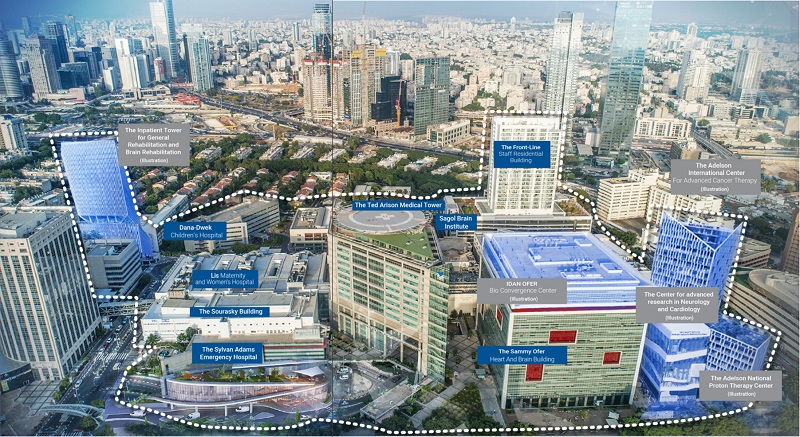
קמפוס 2030| 2023
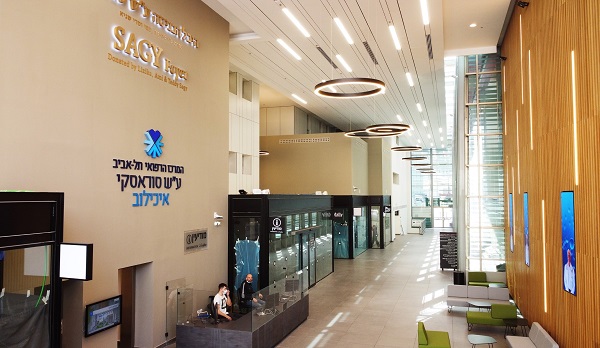
אולם הכניסה | 2022
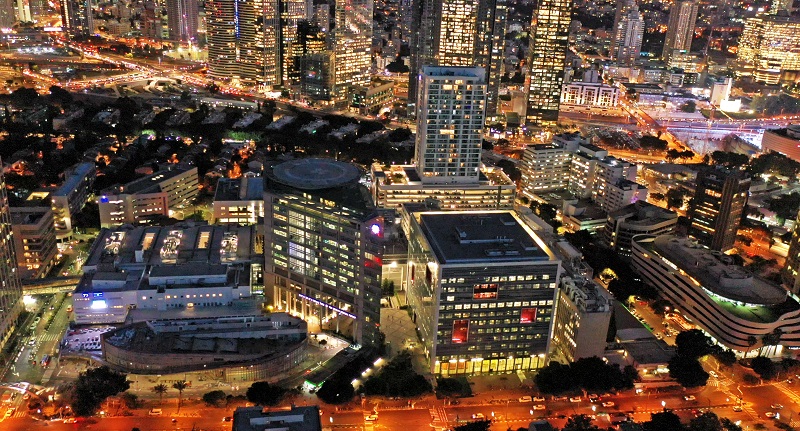
צילום רחפן | 2021
האסטרטגיה שלנו להקמה ולטיפוח של מוקדי מצויינות, הובילה לביקוש רחב של שירותי ביה"ח על-ידי למעלה ממיליון וחצי איש, המקבלים טיפול מקצועי ומיטבי וכן על-ידי רופאים טובים המבקשים להצטרף לצוות שלנו. מזה למעלה מעשור בוגרי ארבעת בתי הספר לרפואה לשם ביצוע סטאז'. בנוסף, בית החולים משמש כמרכז הוראה ומחקר, המסונף לפקולטה לרפואה ע"ש סאקלר באוניברסיטת ת"א ולבית הספר לאחיות ע"ש שיינבורן.
אלפי עובדי המרכז הרפואי בהם כ - 1,700 רופאים, כ- 2,000 אחיות, כ- 500 חוקרים ועוד מאות עובדי מקצועות הבריאות ועובדי מנהל ומשק, מגישים טיפול מקצועי ושירות מהמדרגה הראשונה למטופלים
מכל רחבי הארץ והעולם. איכילוב מהווה גם גשר לשלום באמצעות הענקת טיפול לאוכלוסייה מהרשות הפלסטינית וממדינות ערב.
אנחנו מובילים במספר המחקרים המתבצעים בין כתלי בית החולים, הרופאים שלנו משלבים בין פעילות רפואית (קלינית), עם עבודת מחקר ופיתוח. מאות מחקרים (בסיסיים וקליניים) מתבצעים בין כתלי ביה"ח מידי שנה, בחיפוש אחר דרכים חדשות להבנת תהליכים רפואיים, אבחון וטיפול במחלות. בשנת
2010 המרכז הרפואי ת"א אף עמד במקום הראשון בהכנסות ממחקר.
אחד האירועים הקשים והבלתי נשכחים בו לקח חלק המרכז הרפואי תל-אביב, הוא רצח ראש
הממשלה, יצחק רבין ז"ל, שהובא לבית החולים לאחר ההתנקשות בחייו בעצרת השלום בכיכר
מלכי ישראל, ונפטר חרף המאמצים להציל את חייו. מערך הטראומה של ביה"ח, נקרא מאז על
שמו.
בשנים האחרונות, מאופיין ביה"ח בתנופת בנייה רחבה, במטרה לשכלל ולהיטיב את השירותים הרפואיים ותנאי האשפוז ולהיערך לגידול המתמיד באוכלוסייה. שיאה של תנופה זו, בא לידי ביטוי בפתיחתו של מגדל האשפוז ע"ש אריסון, המתנשא לגובה של 13 קומות, ובניין הלב ע"ש סמי עופר, במסגרתו הוקם גם בי"ח חרום תת-קרקעי.
בימים אלה מתוכננים ונבנים במקביל עוד מספר פרוייקטים גדולים וחדשניים להרחבת פעילות בית החולים וסל השירותים והטיפולים.
לפירוט חלק ממגוון הפרוייקטים הנמצאים בשלבי הקמה ופיתוח הקליקו כאן.
איכילוב, המרכז הרפואי תל-אביב שינה את פניו באופן דרמטי בשנים האחרונות, לא רק מבחינת תשתיות ומבנים, אלא גם מבחינה שירותית. השינוי בא לידי ביטוי בהתייחסות המקצועית והאישית של הצוות אל מול החולים והמטופלים - התייחסות מכוונת מטופל, וכן באמצעות פיתוח מסגרות למתן שירות ומידע, כמו מועדון beWell, מרכז מידע ושירות, מרכז מיצוי זכויות וזימון תורים ומוקד לתרגום סימולטני בשלוש שפות –ערבית, רוסית ואמהרית. אנו נמשיך ברוח זו גם בעתיד, מתוך מגמה לשיפור מתמיד באיכות הטיפול והשירות, וטיפוח מוקדי מצוינות לרווחת החולים והמטופלים.
*למען הסר ספק, מובהר לציבור כי "טופ איכילוב" אינו גוף הקשור לביה"ח איכילוב.